 English
 Tiếng Việt
From the classroom to Japan: A training model that helps Japanese Language students at Dai Nam University confidently enter the global job market.


With Japanese businesses increasingly investing in Vietnam, the demand for personnel proficient in Japanese, possessing professional skills and practical experience is also constantly rising. Instead of focusing solely on language training, Dai Nam University has chosen a different approach: bringing businesses into the classroom, exposing students to an international environment, and using practical experience as a measure of training quality.
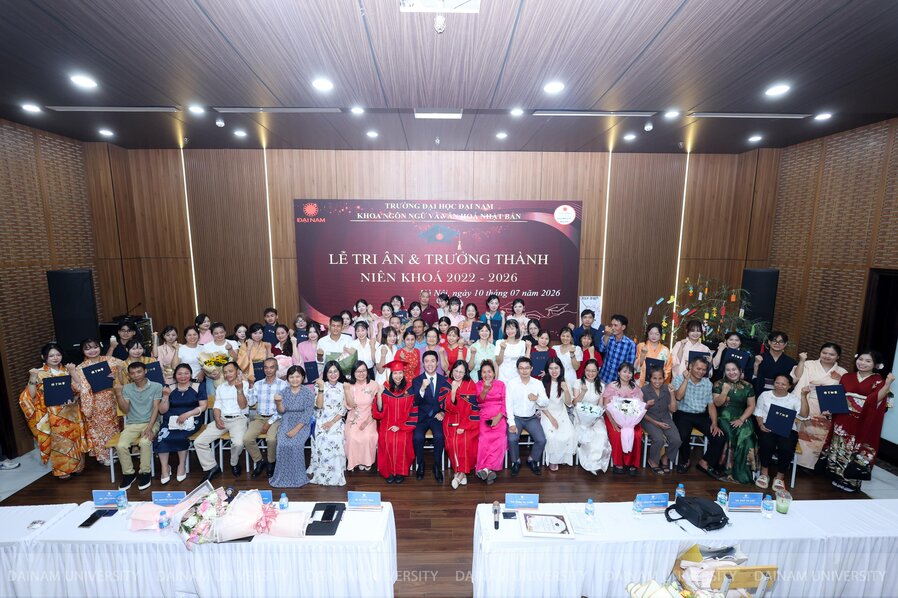
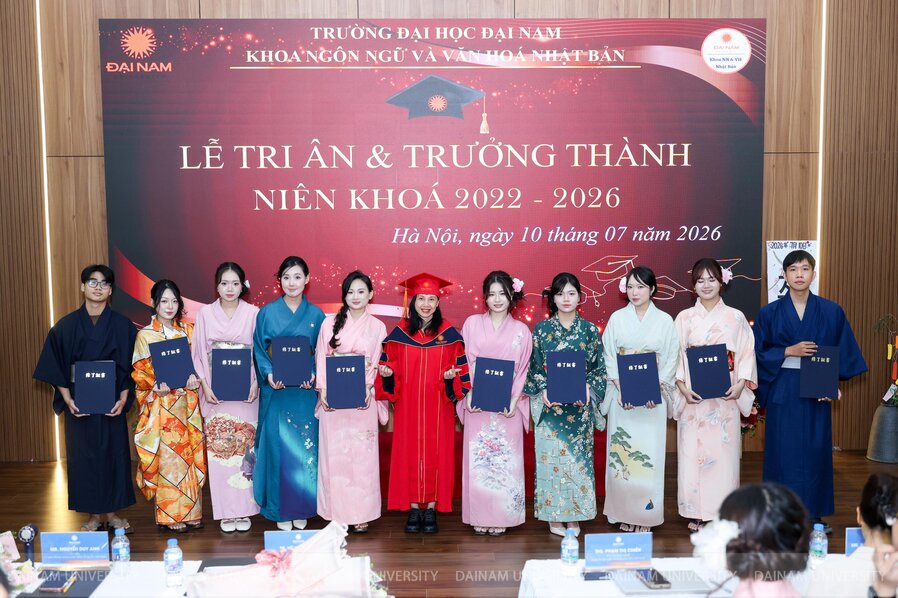
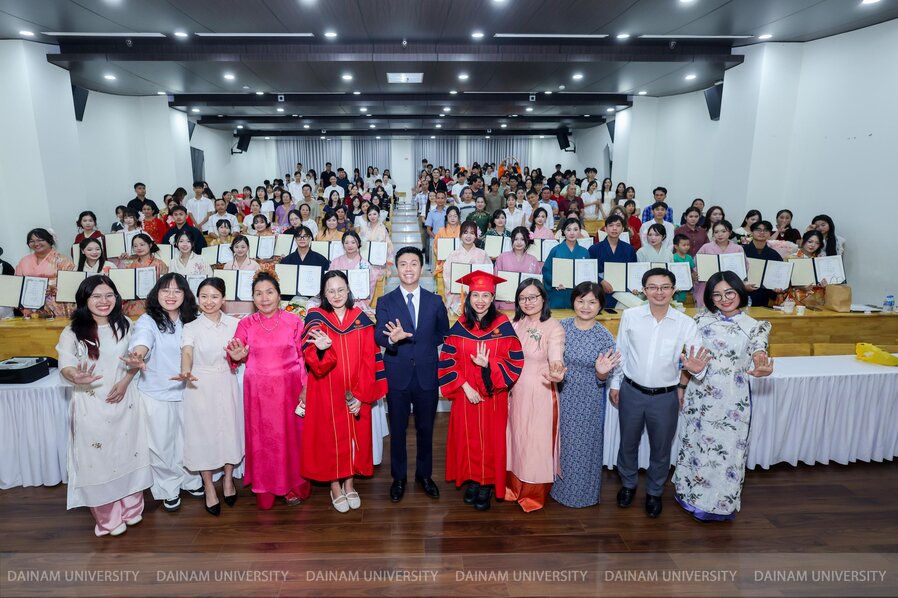
The applause, hugs, and even tears of emotion at the Gratitude and Graduation Ceremony of the Faculty of Japanese Language and Culture, Dai Nam University, not only marked the end of more than three years of study for a generation of students, but also signaled the maturity of these young people who are ready to enter the global work environment.
Behind that emotionally charged ceremony lies nearly a decade of building an application-oriented training model at the Department of Japanese Language and Culture. Instead of aiming to train students to be simply "proficient in Japanese," the program focuses on developing the skills to work in an international environment, meeting the increasingly high demands of businesses.
Training based on labor market needs.
Vietnam is currently one of Japan's important partners in Southeast Asia. Thousands of Japanese businesses are investing and expanding their operations in Vietnam, leading to a great demand for human resources proficient in Japanese and knowledgeable about Japanese corporate culture.
However, according to many employers, foreign language skills are only a necessary condition. What they are looking for are personnel with professional skills, a professional work ethic, adaptability, and practical experience.
Recognizing this trend, Dai Nam University has developed a 3.5-year Japanese Language program with an application-oriented approach. The program receives professional advice from leading experts from Japan, such as Professor Ito Sukero (Tokyo University of Foreign Studies) and Ms. Mizobe Eriko, educational advisor of the Japan Foundation, contributing to bringing the program closer to Japanese training standards.
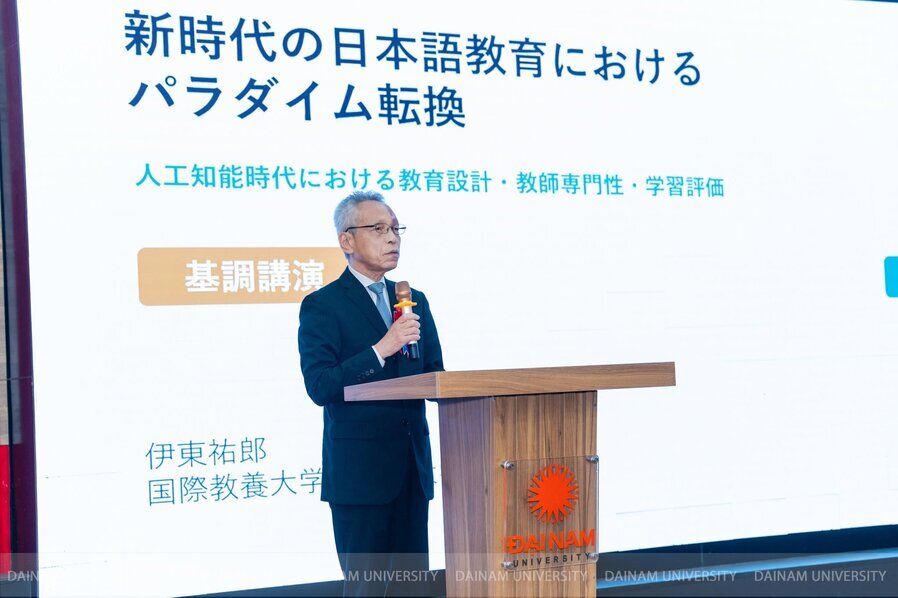
After nearly a decade of development, the Department of Japanese Language and Culture has established a clear learning pathway year by year. First-year students achieve a level equivalent to JLPT N4, second-year students reach N3, and aim for N2 before graduation. This is an important foundation for learners to confidently enter the job market or continue their studies and work in Japan.
According to Dr. Vu Thuy Nga, Head of the Department of Japanese Language and Culture, the program's goal is not only to train students to use Japanese proficiently but also to help them adapt to an international work environment.
"Foreign languages are only truly valuable when applied in the workplace. Therefore, we design our program to be closely linked to businesses, enhancing practical experience so that students are not only proficient in their field but also possess professional skills and an integrated mindset upon graduation."

When the classroom is directly connected to Japanese businesses.
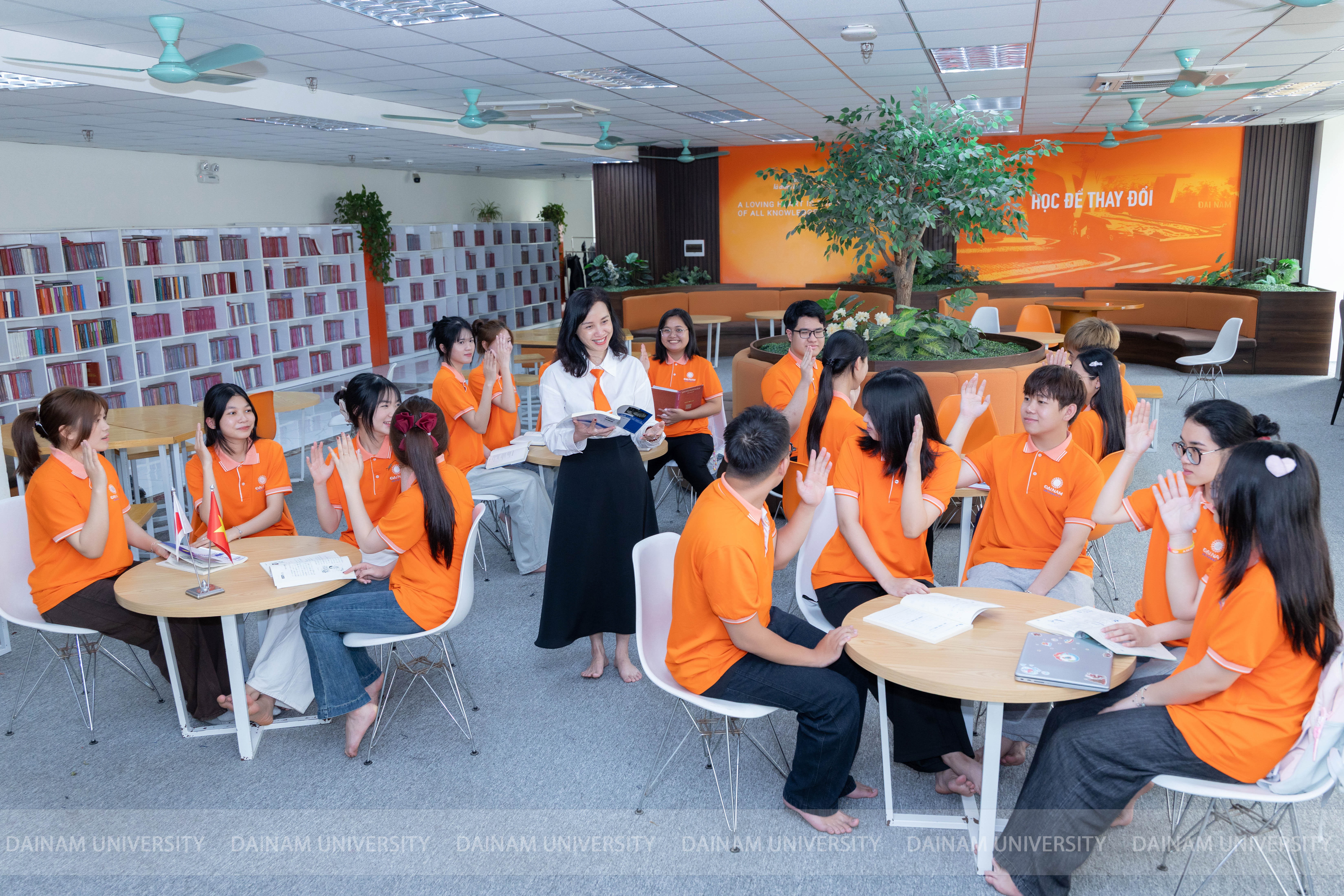
What sets the Japanese Language program at Dai Nam University apart is its integration of professional experience into the curriculum.
Accordingly, more than 60% of the training time is dedicated to practical application, experience, and professional skill development. Instead of just learning the language in the classroom, students participate in real-world projects, academic and cultural exchange activities, business ventures, and international cooperation programs from their early years.
In particular, starting from their second year, students have the opportunity to participate in a paid internship program in Japan for 6-12 months with a monthly allowance of 15-20 million VND. This program not only enhances Japanese language skills in a native-speaking environment but also allows students to work directly at businesses, hotels, service centers, and many partner organizations of the university, thereby developing a professional work ethic and accumulating practical experience before graduation.

In addition to long-term internship programs, students also have the opportunity to participate in short-term study and experience programs in Japan, receive scholarships from businesses and international organizations, and regularly interact with Japanese experts, lecturers, and students through workshops, seminars, and cultural exchange programs.
According to Dr. Vu Thuy Nga, incorporating businesses into the training process helps students visualize the professional environment early on and proactively improve their skills while still in school.
"We want students to not have to wait until graduation to start getting acquainted with businesses. They should gain practical experience, be exposed to an international work environment, and develop professional thinking skills while they are still studying. This is how we help students become confident and competitive when entering the job market."
To achieve that goal, the Department of Japanese Language and Culture has built a faculty team consisting of experienced associate professors, doctors, and masters, along with native Japanese lecturers. The combination of academic background, practical experience, and an international perspective ensures that the program always aligns with the requirements of businesses and market trends.
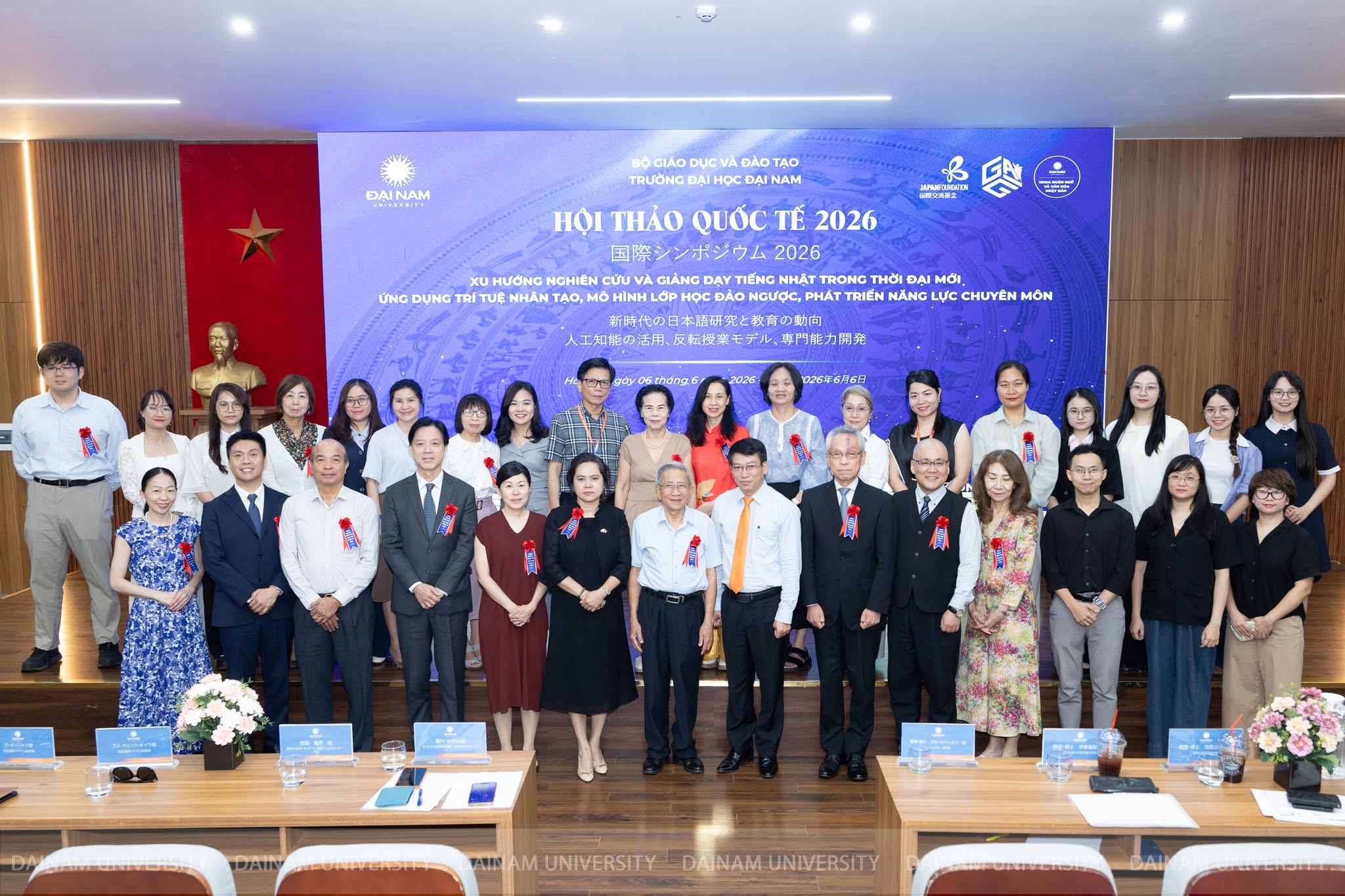
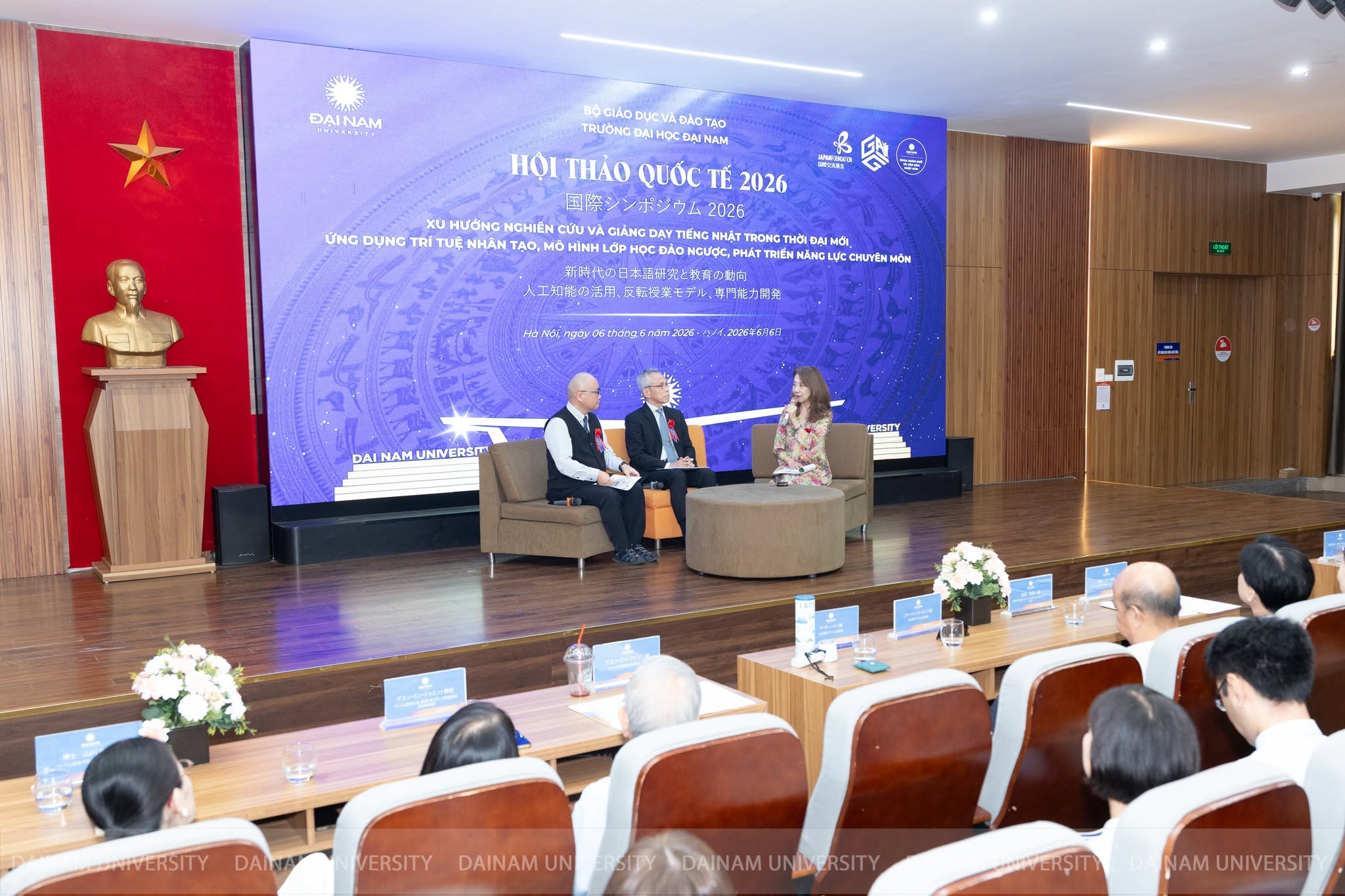
Proof of the effectiveness of the training model is the increasingly close collaboration with Japanese partners. At the Graduation and Appreciation Ceremony, the presence of Japanese businesses and educational organizations not only signifies congratulations to the new graduates but also affirms the link between the school and businesses in training high-quality human resources.
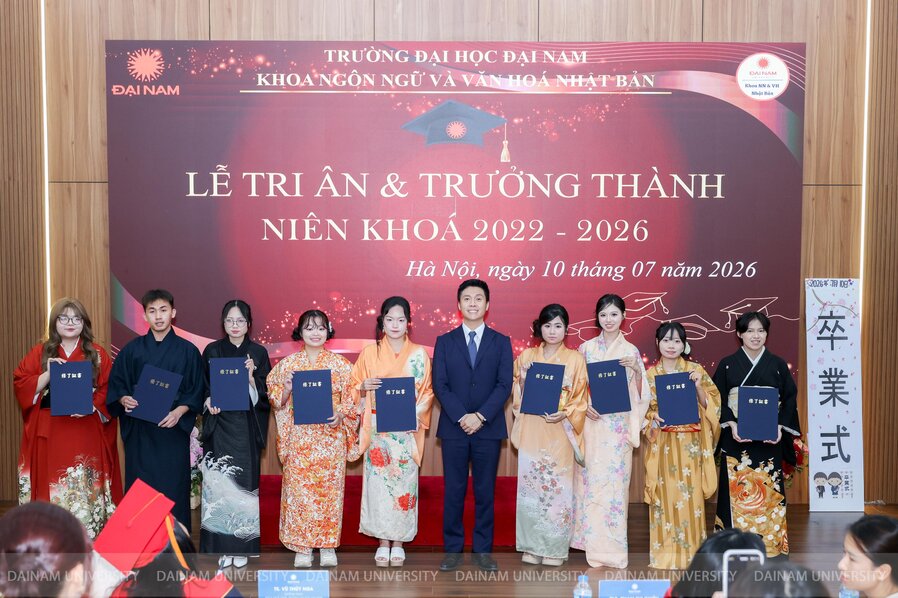
Mr. Nguyen Duy Anh, Principal of GAG Japanese Language Academy in Japan, commented: "What we appreciate about Dai Nam University students is not only their Japanese language proficiency but also their work ethic, adaptability, and proactive spirit. These are qualities that Japanese businesses always value. We believe that the cooperation between businesses and the university will continue to open up many learning, internship, and employment opportunities for students in the future."
According to the Faculty representative, along with its network of domestic and international partner businesses, the school aims to connect 100% of its graduates with job opportunities. Students can choose to work at Japanese companies in Vietnam or develop their careers in Japan, depending on their abilities and personal aspirations.
The training model, closely linked to businesses and combining knowledge, skills, and international experience, is helping students not only graduate with a university degree but also possess a clear professional foundation to enter the labor market.
Growing through international experiences.
For many students, the time spent studying and working in Japan not only helps improve their language skills but also becomes a turning point in their personal growth.
Working in an environment that values discipline, precision, and responsibility, many students understand for the first time that classroom knowledge is only truly valuable when it is translated into professional competence. Lessons on work ethics, communication skills, teamwork, time management, and adaptability to a multicultural environment become crucial preparation before entering the job market.
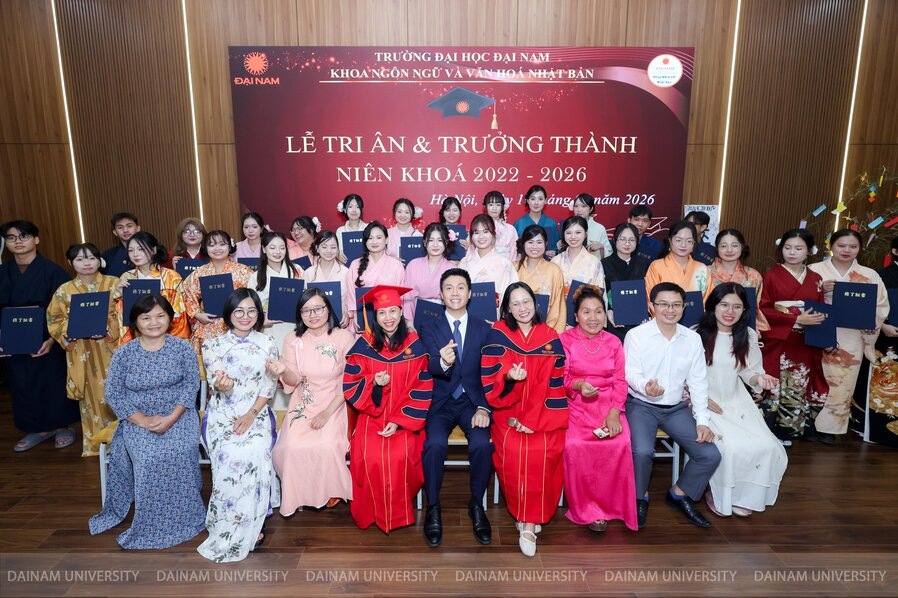
Nguyen Thi Thanh Thao, representing graduating students, stated that the most valuable thing she gained after more than three years of study was not just her Japanese language skills or her university degree.
"What we gained was the confidence to step out into the world. Our months of studying and interning in Japan helped us mature, understand the requirements of businesses, and know what we need to improve to advance our careers. That's invaluable experience that we will always carry with us."
According to the Department of Japanese Language and Culture, many students have received job offers immediately after their internships or have been given priority for recruitment by companies after graduation. This is a result of practical training and the continuous support of businesses throughout each stage of their studies.
Concluding the Graduation and Appreciation Ceremony, the graduates' caps were tossed into the air amidst the applause of family, teachers, and friends. This was not only a moment marking the completion of an academic journey but also the beginning of a new path for these young people, carrying with them knowledge, confidence, and aspirations for integration.
After nearly a decade of establishment and development, the Faculty of Japanese Language and Culture at Dai Nam University has gradually affirmed its training orientation, linking it with businesses, international experiences, and the needs of the labor market. In the context of increasingly developing Vietnam-Japan cooperation, this training model is expected to continue creating a competitive advantage for students and contributing high-quality human resources to society.
Admission information for the Japanese Language major at Dai Nam University in 2026.
In 2026, Dai Nam University will enroll students in the Japanese Language major (school code: DDN) with 3 specializations:
- Japanese Translation and Interpretation.
- Business Japanese.
- Japanese for Pedagogical Studies.
Candidates can choose from four admission methods:
1. Admission will be based on the 2026 high school graduation exam scores.
2. Admission based on high school transcripts.
3. Direct admission according to the regulations of the Ministry of Education and Training.
4. Admission based on the results of aptitude and thinking skills assessment exams (HSA, TSA, SPT, V-SAT).
In addition to the application-oriented training program, students also have access to many support policies such as the VND 55 billion scholarship fund, international semesters, a network of partner businesses, job placement assistance, and a commitment to stable tuition fees throughout the entire course.
Detailed information about admissions is updated at: https://xettuyen.dainam.edu.vn/ or via hotline 0961 595 599 and 0931 595 599.
BTT






Register for admission consultation 2026
scholarships and tuition support worth up to 55 billion VND

scholarships and tuition support worth up to 55 billion VND

