 English
 Tiếng Việt
Cafef.vn - Japanese professor discusses the future of Japanese-speaking human resources in the age of AI at Dai Nam University.


When artificial intelligence (AI) can translate in seconds, is learning Japanese still necessary?
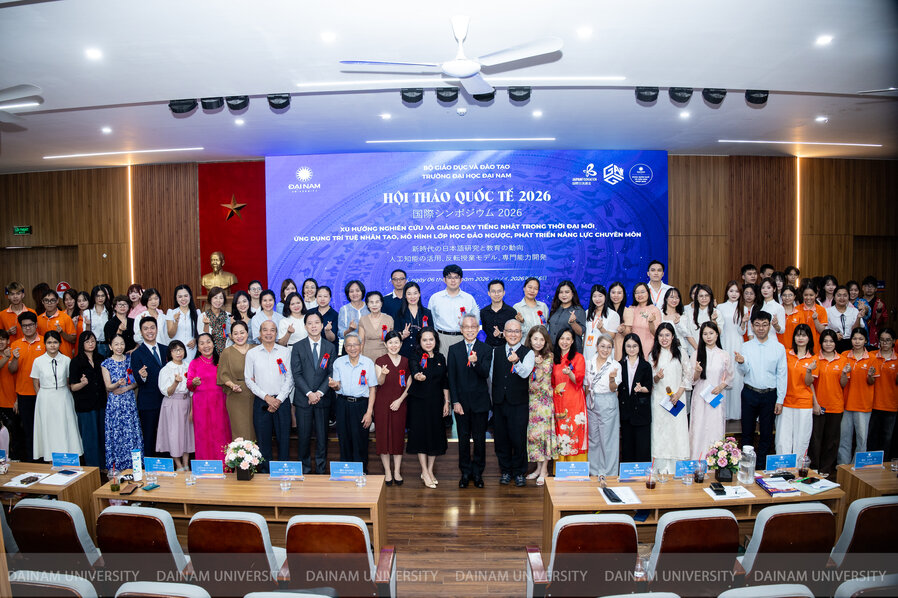
According to leading Vietnamese and Japanese experts attending the 2026 International Conference at Dai Nam University (DNU), the answer is yes – and it's even more important than before. In the AI era, businesses need not only people who know foreign languages but also a workforce with global capabilities, intercultural thinking, technological adaptability, and a deep understanding of Japanese culture and people.
This was also the overarching message of the 2026 Annual International Conference on "Trends in Japanese Language Research and Teaching in the New Era - Applications of Artificial Intelligence, the Flipped Classroom Model, and Professional Competency Development," organized by the Faculty of Japanese Language and Culture, Dai Nam University.
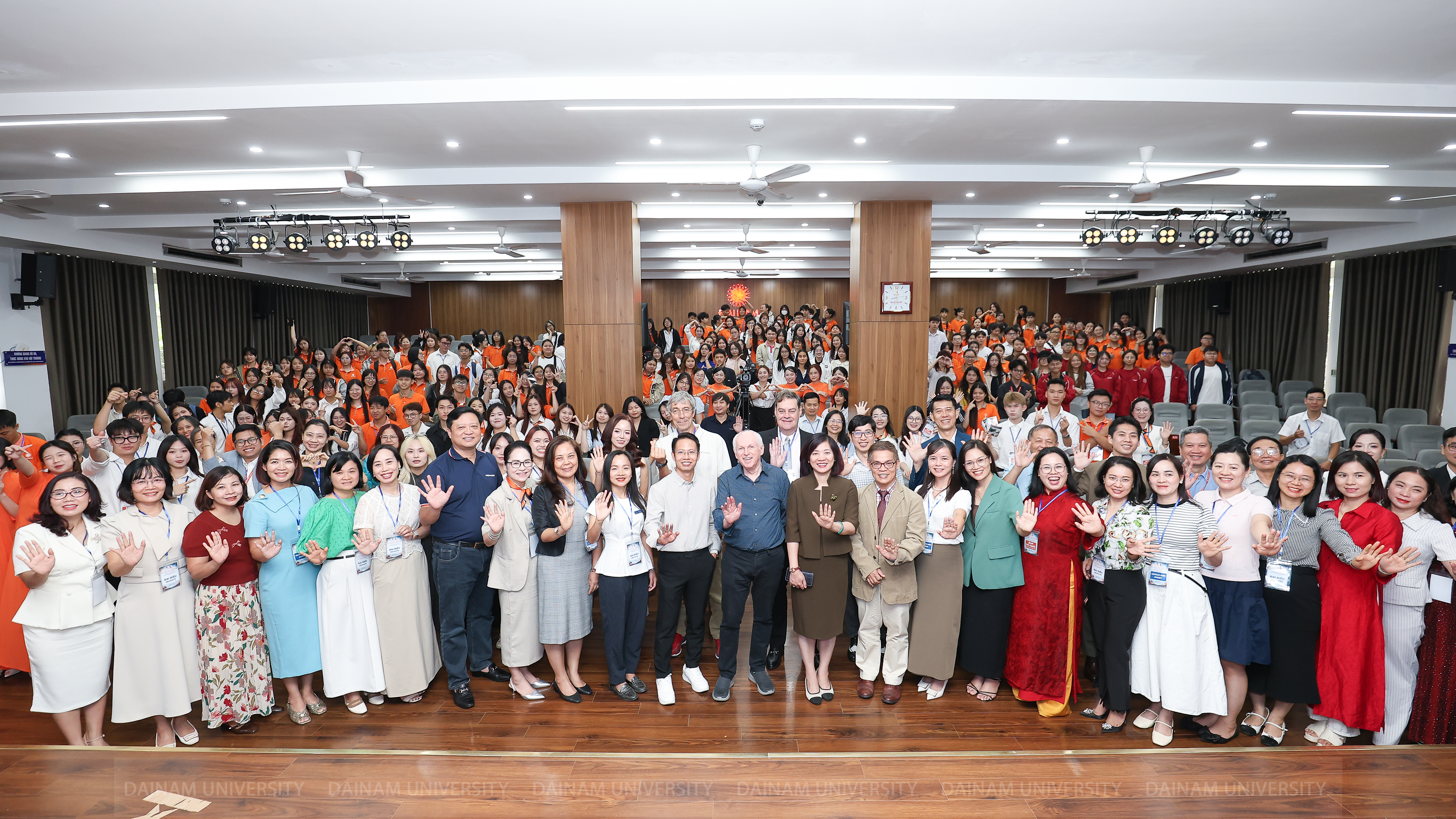
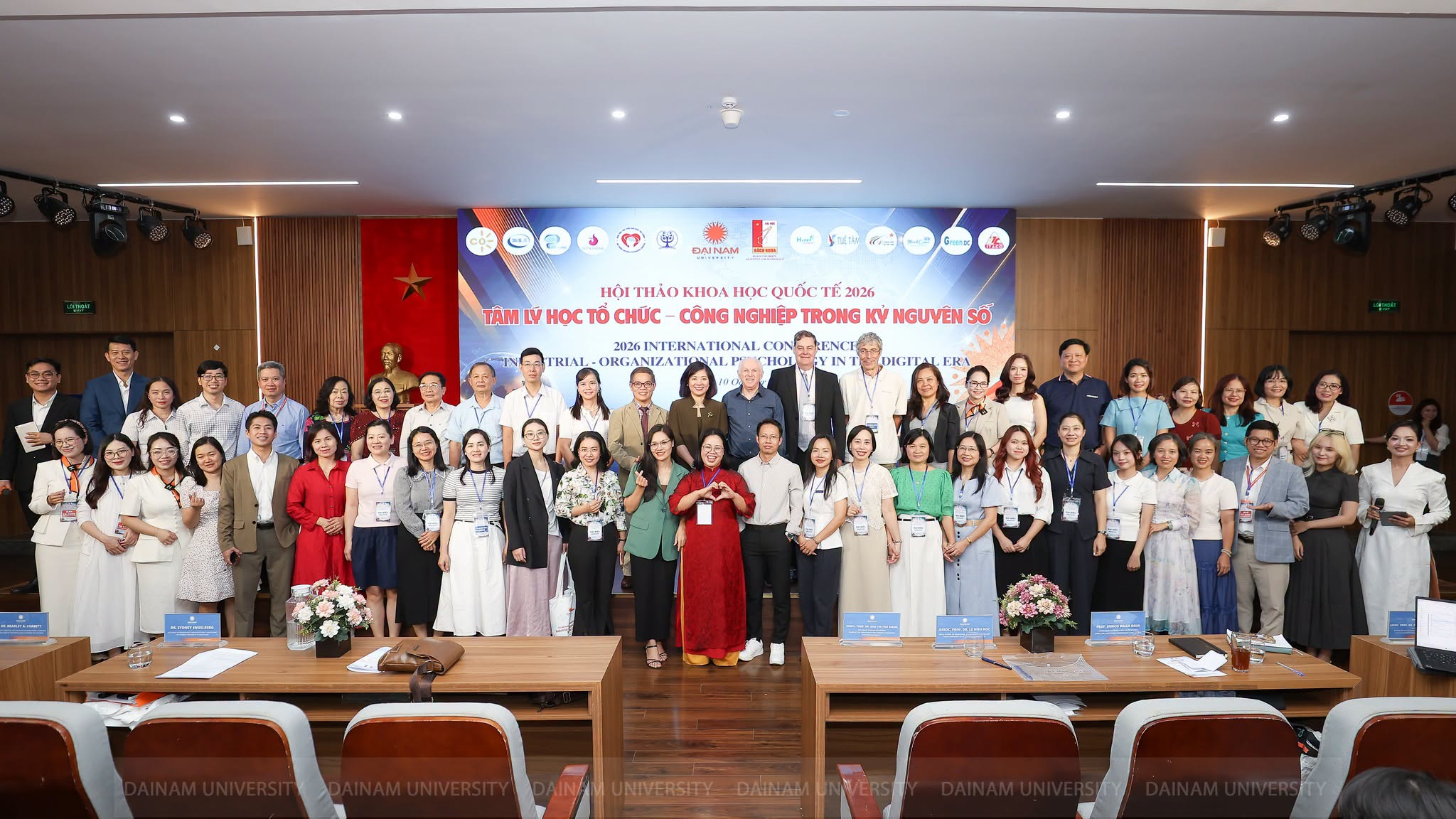
The academic forum brings together leading scholars from Vietnam and Japan.
The seminar brought together many reputable experts and scientists such as Professor Ito Sukero - former Vice President of Tokyo University of Foreign Studies, Professor at Akita International University; Professor Kawahara Kiyoshi - former President of the Japan Association of Translators and Interpreters; representatives from the Japanese Embassy in Vietnam, the Japan Foundation, as well as universities, research institutes and businesses from both countries.
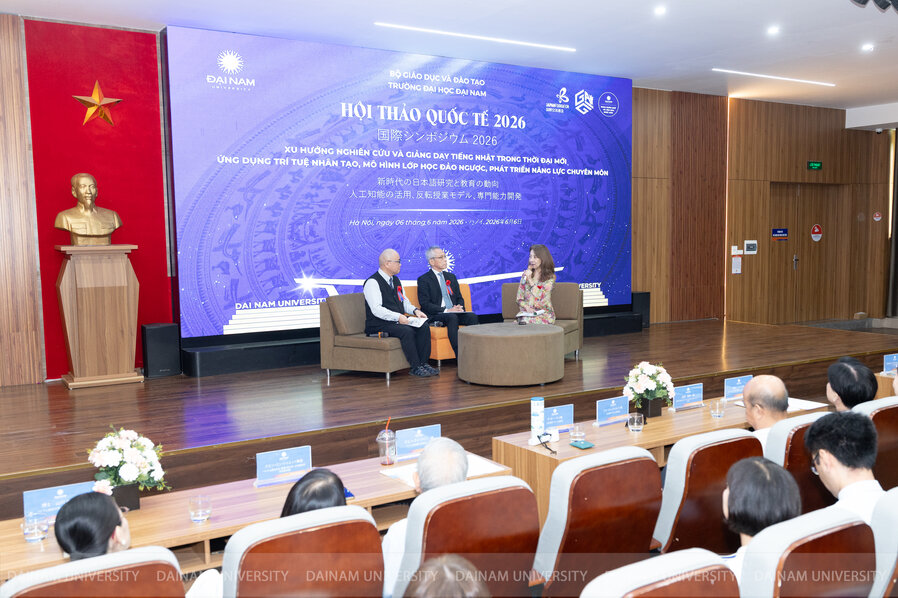
An in-depth seminar with the participation of leading Japanese professors.
At the conference, scholars focused on discussing issues shaping the future of the Japanese language field: the new role of learners, shifts in teaching methods, new requirements for translation and interpretation, and the link between university education and the workforce needs of businesses.
Professor Dr. Dao Van Dong - Vice Rector of Dai Nam University emphasized: "AI can support learning and research, but it cannot replace education in shaping critical thinking, professional competence, and humanistic values for learners…"
According to Japanese experts, the future of language education lies not in competing with AI, but in the ability to train people who can leverage AI to create new value.
"AI will not replace teachers. AI will not replace learners either. The important thing is to know how to use AI to create new value in education," Professor Ito Sukero shared.
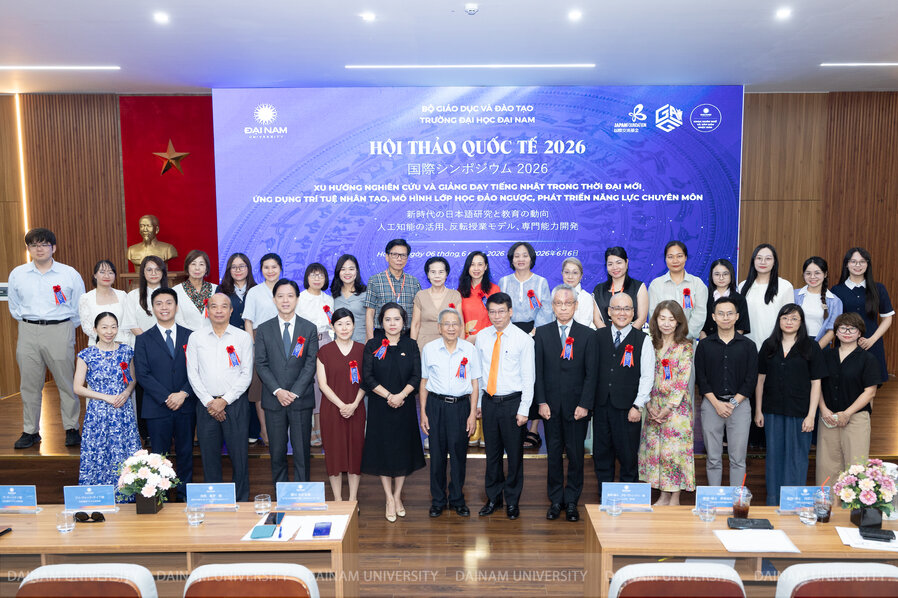
From academic forums to global human resource training strategies.
Behind a conference that brings together many international scholars lies the arduous process of building the academic reputation of the Department of Japanese Language and Culture at DNU.
In recent years, the faculty has continuously expanded its cooperation with Japanese universities, educational organizations, and businesses; maintaining regular scientific research activities, academic exchanges, and international connections. The successful organization of the annual international conference, with the participation of leading professors, demonstrates its international networking capabilities as well as its development orientation based on the quality of education and academic excellence.
Beyond simply being a platform for knowledge exchange, these academic forums also provide students with opportunities to directly connect with international experts, stay updated on industry trends, and gain a better understanding of career requirements in a globalized context.
Career-oriented Japanese language training

Japanese Language is one of the majors with the highest number of applications for admission at DNU.
From the discussions at the workshop, a consensus among many experts was that language training today cannot be limited to teaching grammar or communication skills. Learners need to be equipped with professional competencies, technological skills, a global mindset, and practical experience.
That is also the training philosophy of the Japanese Language major (major code 7220209) at DNU.
The program is designed with an applied focus and lasts 3.5 years (11 semesters), helping students develop their Japanese language proficiency, understanding of Japanese culture and society, and professional skills simultaneously.
From their first year, students study Japanese alongside courses in information technology, AI, soft skills, and career thinking. From their second year onwards, students receive specialized training, learn a second foreign language, participate in scientific research, and access internship programs in Japan. The program aims to help students achieve a JLPT N2 level before graduation.

A clear training roadmap that enhances capabilities year by year.
100% of students receive support for paid internships in Japan.
One of the standout features of the Japanese Language major at DNU is its paid internship program in Japan.
Accordingly, 100% of eligible students will receive interview support to participate in a paid internship program lasting from 6 months to 1 year before graduation.
Not only do students get to work in an international environment, but they also have the opportunity to improve their Japanese language skills, experience Japanese corporate culture, and gain practical professional experience while still in school.
In the context of the increasingly strong cooperation between Vietnam and Japan, this is considered a significant competitive advantage for students after graduation.
Learn with experienced instructors and expand your job opportunities.
In addition to its up-to-date training program, the Department of Japanese Language and Culture boasts a faculty of associate professors, doctors, masters, and experts with extensive experience in teaching, research, and international collaboration.
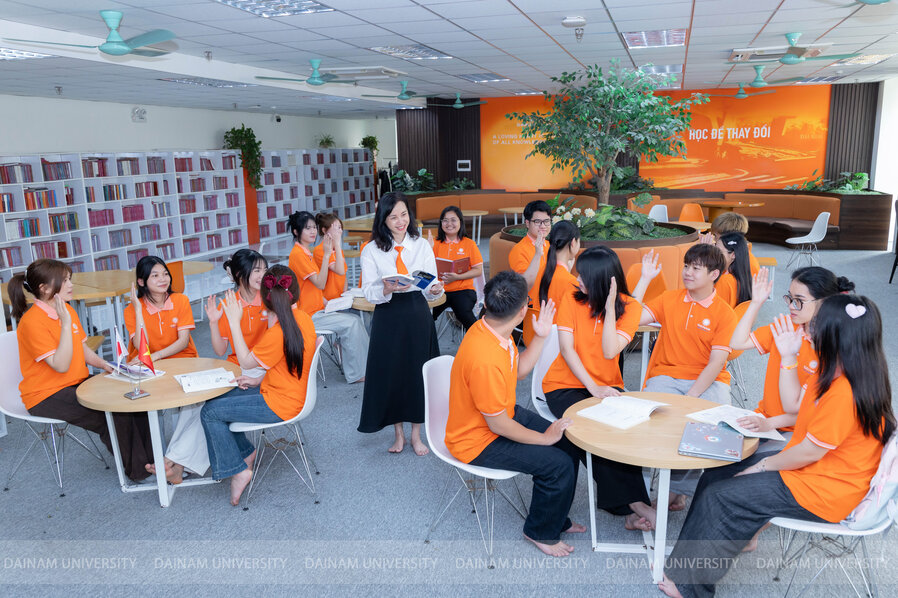
A modern and dynamic learning environment, along with cultural exchange activities, scientific research, international conferences, and business networking opportunities, helps students develop comprehensively in terms of knowledge, skills, and experience.
According to experts attending the conference, AI will change the way people work, but it will not diminish the need for high-quality human resources who are proficient in foreign languages, understand different cultures, and adapt to a global environment. This is also why the demand for Japanese-speaking personnel in Japanese companies, companies with Japanese investment, educational institutions, service industries, tourism, and technology companies continues to increase sharply.
With a training approach closely linked to practical experience, 100% of students receive support in connecting with job seekers before and after graduation.
>>> Register for admission: Here
Theo CafeF





Register for admission consultation 2026
scholarships and tuition support worth up to 55 billion VND

scholarships and tuition support worth up to 55 billion VND

