 English
 Tiếng Việt
The focus shouldn't be on teaching students what to know, but rather on teaching them what to do and what kind of person to become.


Artificial intelligence (AI) is changing the way people learn, work, and access knowledge. As knowledge becomes increasingly accessible with just a few clicks, the question for higher education is no longer how much knowledge students acquire, but rather what they can do with what they have learned and what kind of people they will become after their years at university.

Every young person has a unique identity. With 56 training programs across 6 fields of study, Dai Nam University (school code DDN) helps learners find the right path to begin their own journey.
Universities are not just places for imparting knowledge.
There's a question higher education must answer every day: What makes a university degree valuable in the age of artificial intelligence?
While a few decades ago universities were primarily places for imparting knowledge, today, knowledge is no longer scarce. With just a smartphone or an AI tool, learners can access vast amounts of information in seconds.
As knowledge becomes more accessible, higher education must also change. The question is no longer about how much students know, but more importantly, what they can do with what they know and how they can adapt to an ever-changing world.

Dr. Le Dac Son - Chairman of the University Council of Dai Nam University, stated: "In the context of rapidly developing technology, the role of universities is not just to impart knowledge. More importantly, it is to help learners develop professional skills, adaptability, innovative thinking, and the necessary qualities to succeed in life. That is the sustainable value of higher education."
In reality, in the digital age, businesses no longer recruit based solely on a degree or impressive transcript. What they look for are individuals who can work effectively in a real-world environment; who know how to solve problems, collaborate, adapt, learn continuously, and master technology instead of being replaced by it.
Dai Nam University chooses to train students based on real-world competencies.
That is also why Dai Nam University has developed its training program with an application-oriented approach, emphasizing practical training, business experience, and implementing Outcome-Based Education (OBE) standards, aiming to help students develop professional competencies while still in school.
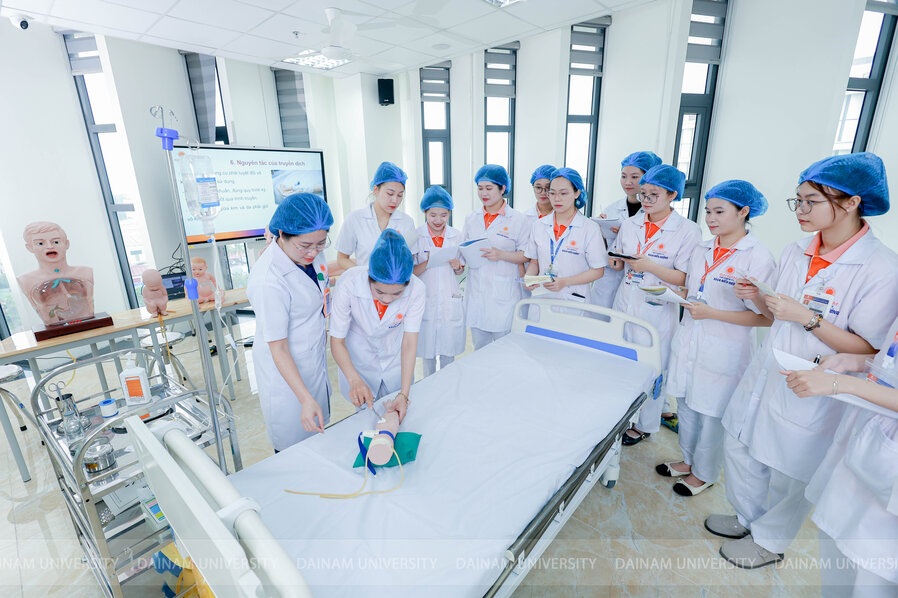
Learning to do the job, practicing, experiencing, and applying what you've learned is the path for students to develop professional skills right from their time in university.
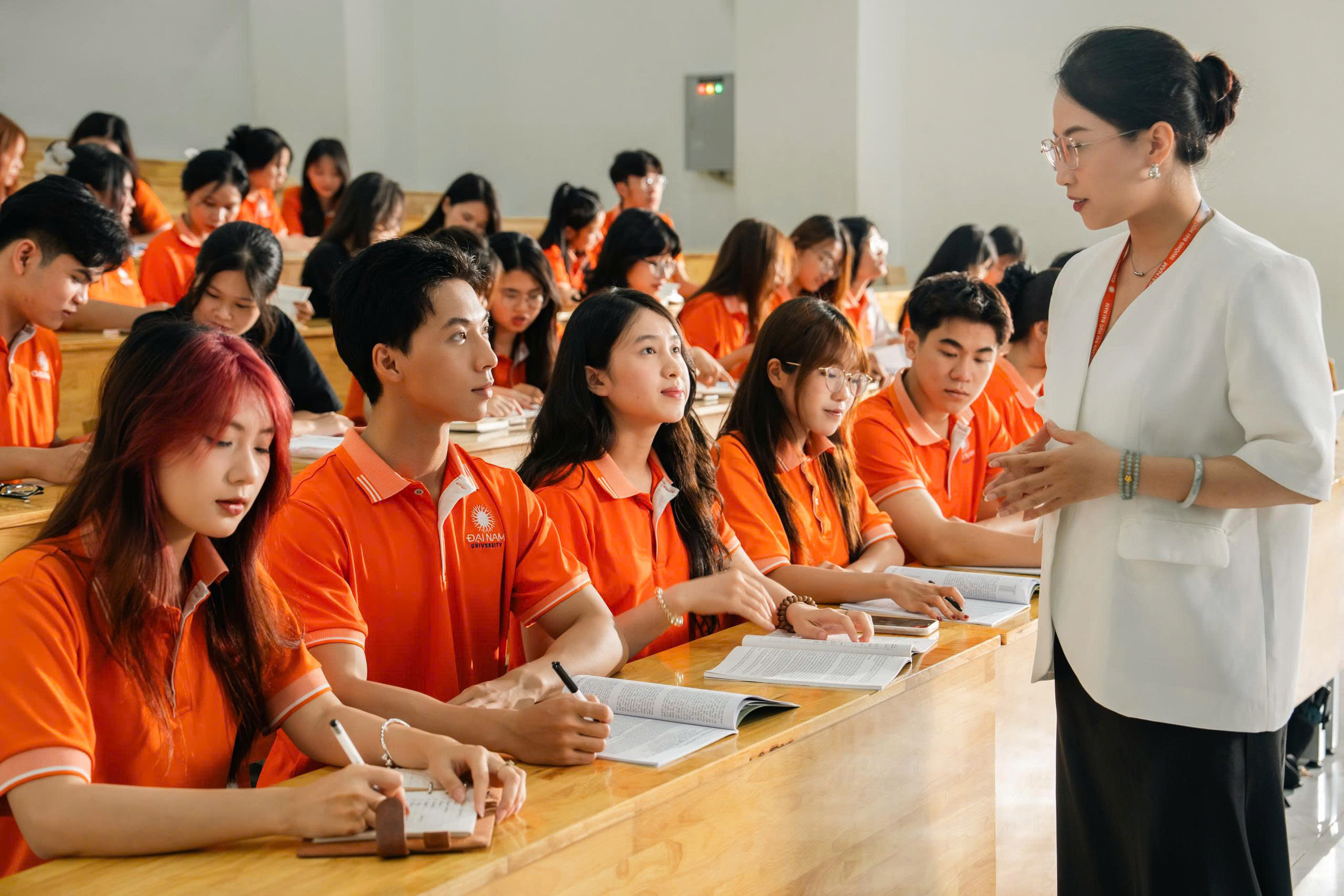
To realize that philosophy, Dai Nam University has built a comprehensive educational ecosystem where each student is supported, experiences, and develops according to their individual abilities. From their first year, students are closely monitored by their homeroom teachers and academic advisors in their studies, career orientation, and personal development.
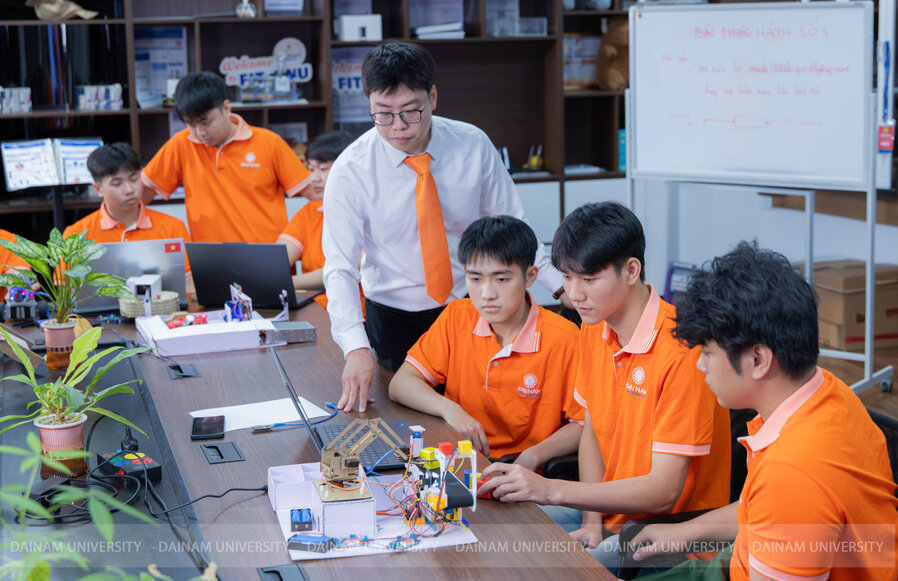
Throughout their journey of growth, every student has faculty and academic advisors who are there to support, listen to, guide, and motivate them.
Each academic discipline is equipped with specialized practice rooms, laboratories, studios, and experiential spaces, allowing students to practice regularly instead of just learning through textbooks. Simultaneously, a wide network of partner businesses provides opportunities for students to intern, gain practical work experience, and engage in real-world work environments from an early age.
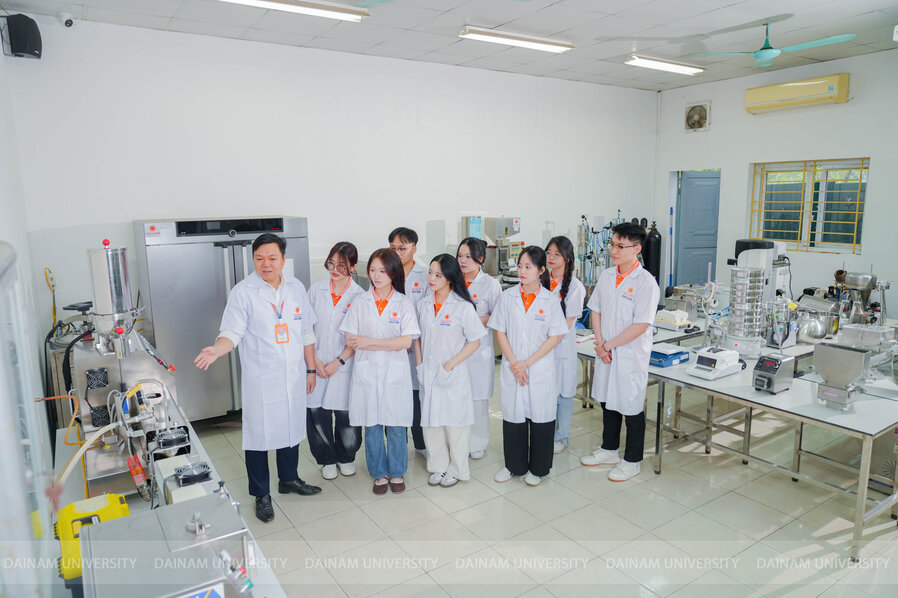
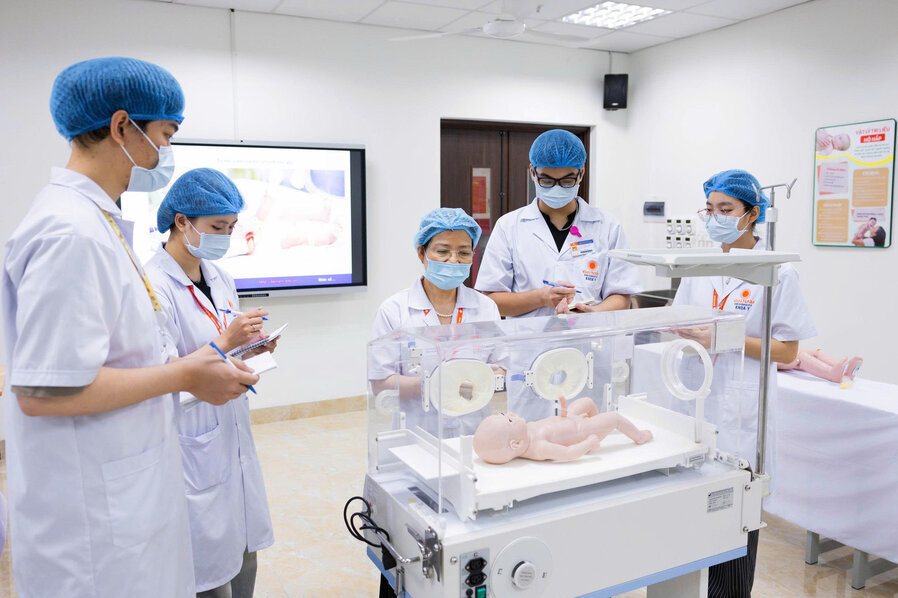

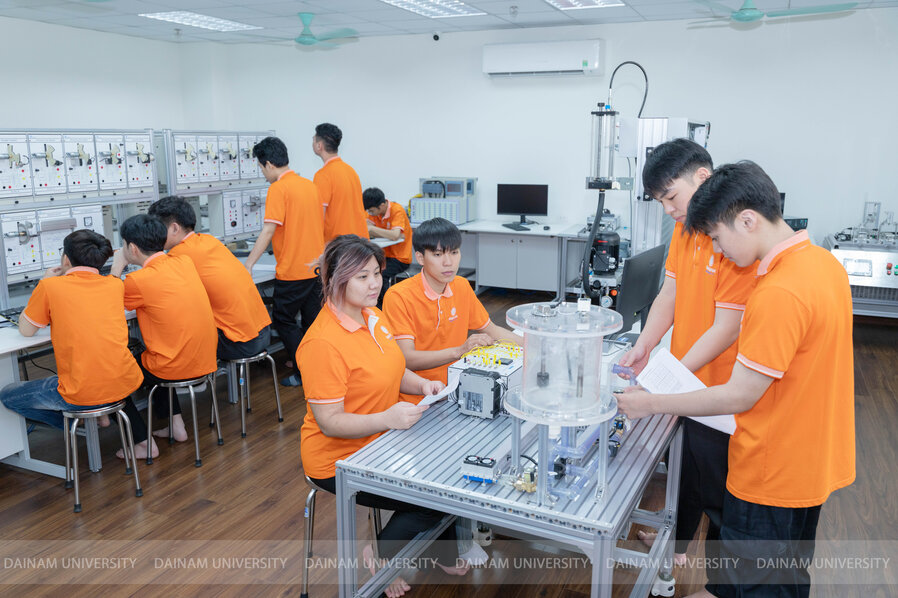
In addition to focusing on academics, the school also creates a multi-experience environment so that each student has the opportunity to test their abilities, gain experience, identify their strengths, and gradually affirm their own unique identity.
Because competence is not developed solely through lectures, but is cultivated through practical work, real-world experience, and genuine personal growth.

Unleash your identity so each student understands who they are.
Each student enters university with different strengths, interests, and aspirations. No two people are alike, and not everyone succeeds in the same way.
Some people excel in research, others in creativity; some possess leadership skills, while others have a knack for community networking. Some are well-suited to the corporate environment, while others choose the path of entrepreneurship.
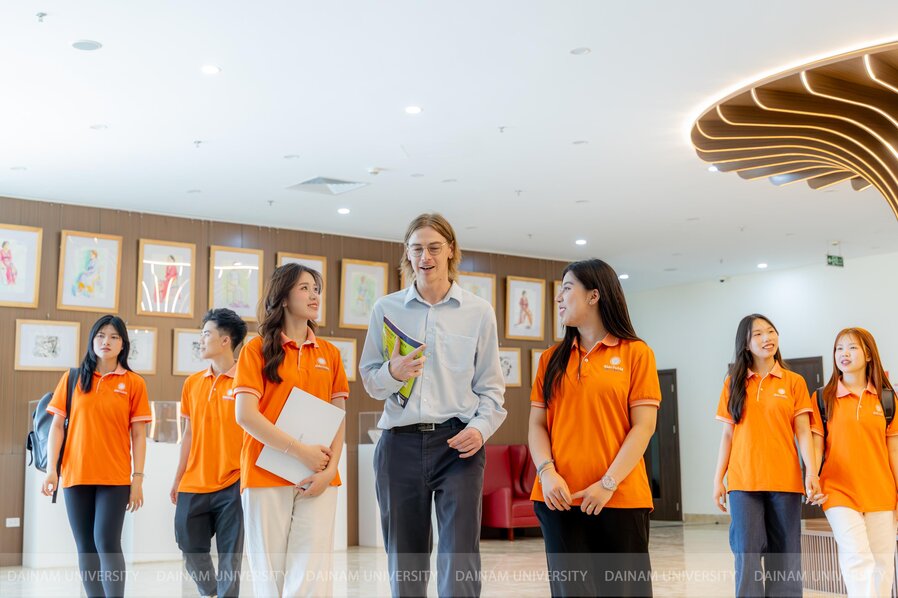
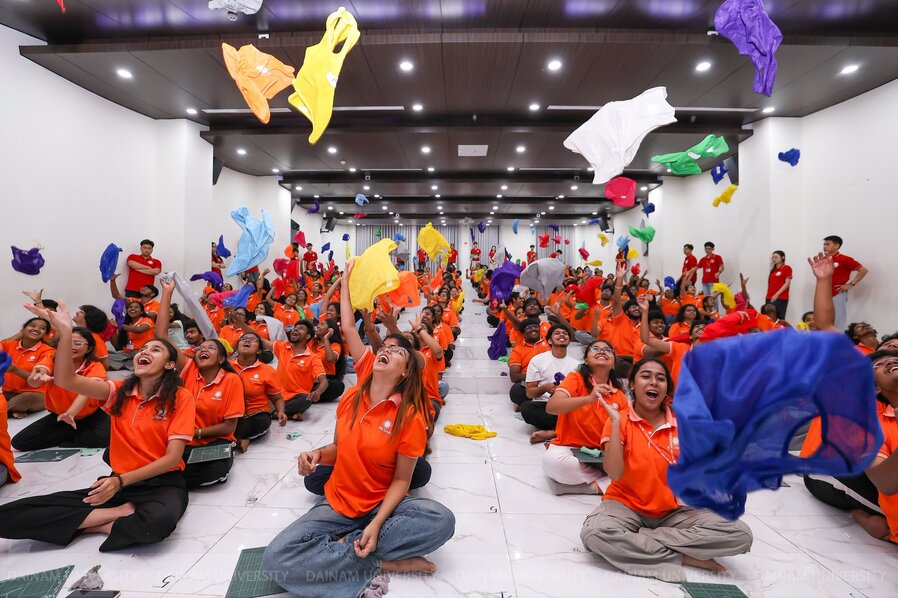
The mission of universities is not to create uniform models, but to help each young person recognize their own value, develop their own abilities, and find the path that best suits them.
At Dai Nam University, extracurricular activities are not just supplementary, but an important component of the educational process. Through academics, research, entrepreneurship, culture, arts, sports, volunteering, and international exchange, students have more opportunities to challenge themselves, gain experience, confidently express themselves, and grow holistically.
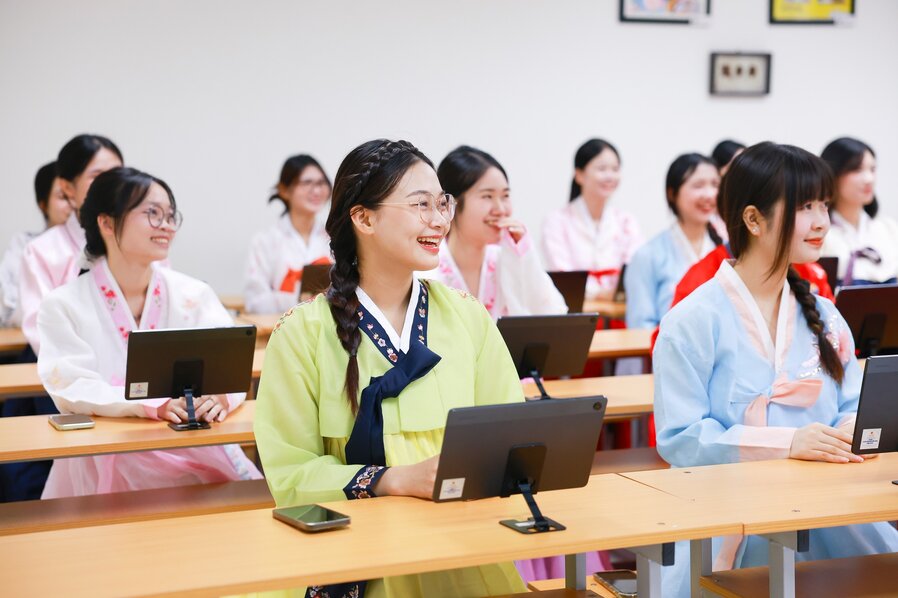
University is not just a place to learn a profession, but also a journey of self-discovery, nurturing passions, and growing through genuine abilities.
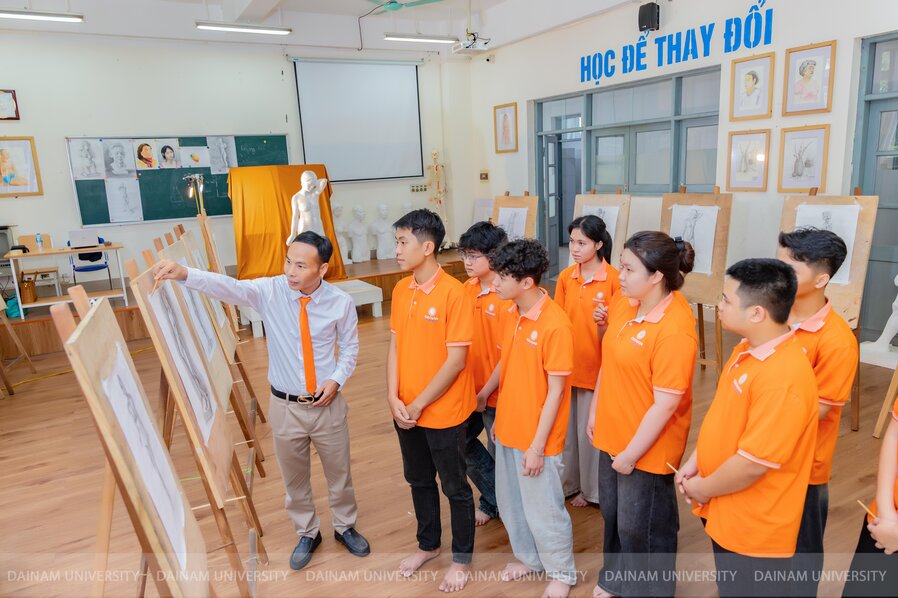
The school believes that a student's journey of growth takes place not only in the classroom, but is also shaped through self-discovery, identifying abilities, nurturing passions, and choosing the values they wish to pursue in life.
University education not only helps students find a career, but also helps them discover themselves, find their passions, affirm their value, and confidently enter life with their true abilities.
When young people understand who they are, they know where they should go. When their identity is awakened, their journey truly begins to unfold.
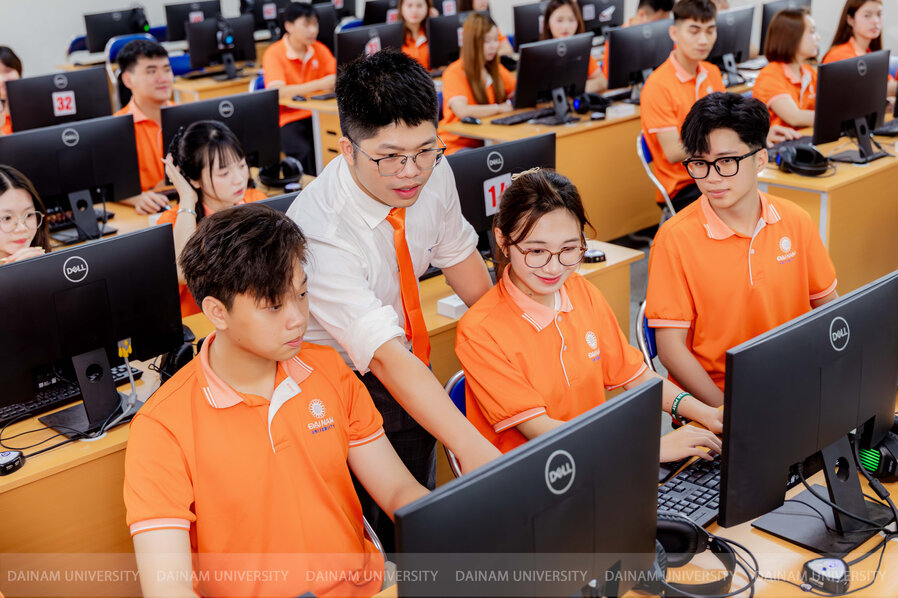
Real competence - to help young people build a secure life.
The world is changing at an unprecedented pace. Many professions are disappearing, many new jobs are emerging, and what we learn today may become obsolete in just a few years.
In such a world, what helps a person stand firm is not the amount of knowledge they have memorized, but the ability to learn new things, the ability to adapt, be creative, work with others, and solve problems that have never been solved. That is true competence.
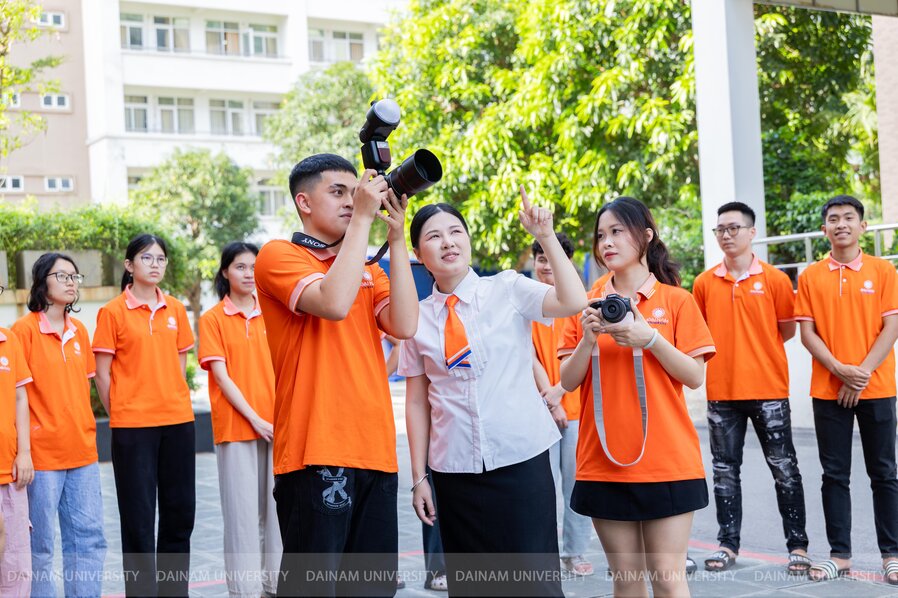
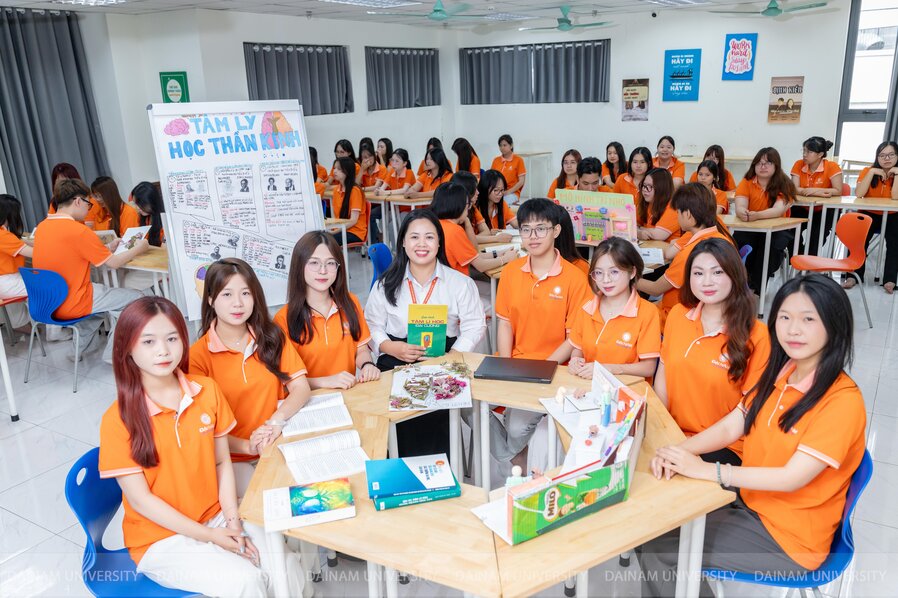
According to Professor Dr. Nguyen Van De, a member of the Central Committee of the Vietnam Fatherland Front and Chairman of the Vietnam Private Hospitals Association: "We are not looking for people who only have high scores. What businesses need are people who can work, who are capable of learning, adapting to change, and ready to solve practical problems. Knowledge is a necessary condition, but the ability to perform the job is the decisive factor."
That is also the spirit of the OBE (Output-Based Education) model that Dai Nam University is implementing: It's not just about what students learn, but more importantly, what they can do after graduation, how they adapt, and what value they can create.
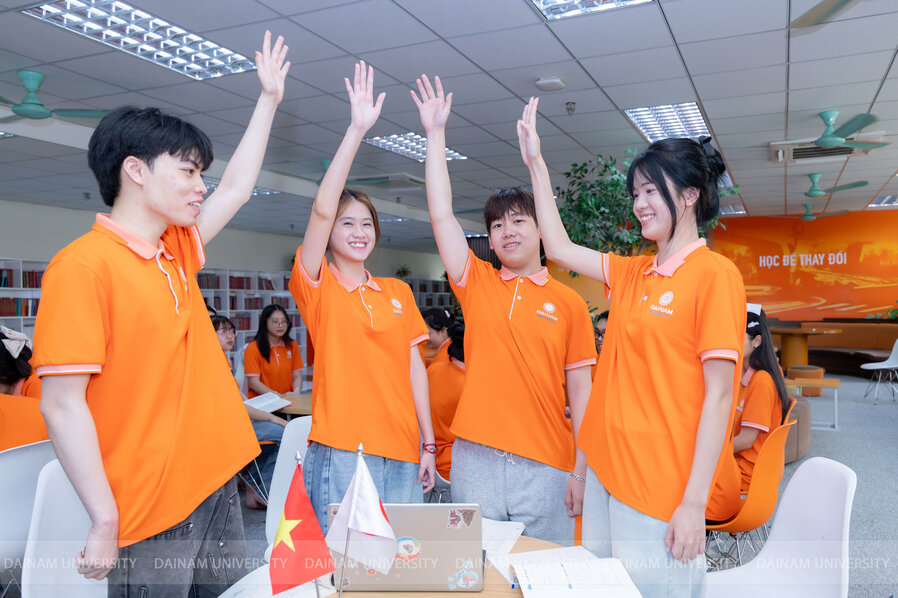
In an era where knowledge is constantly changing, a university degree is important but not enough. What helps young people confidently enter life is genuine competence, true character, and the ability to perform well in a real-world environment.

This is also the commitment of Dai Nam University to its students and society: Unleash your identity - to illuminate your journey. Empower your true potential - to secure your life. Dai Nam University aims not only to train students to obtain a degree, but also to cultivate individuals who understand themselves, are capable, live valuable lives, and confidently step into the future with their true abilities.
HTC





Register for admission consultation 2026
scholarships and tuition support worth up to 55 billion VND

scholarships and tuition support worth up to 55 billion VND

