 English
 Tiếng Việt
When you enter school, you know who you are; when you graduate, you know what you are capable of doing.


Choosing a major is just the beginning of university. Throughout their studies, students must gradually identify suitable career paths, understand job requirements, and accumulate the knowledge, skills, and experience necessary to meet job demands after graduation.
At Dai Nam University (DNU), career orientation is integrated into many stages of the training process, from the initial enrollment to the graduation internship. Students have the opportunity to access practical environments, experts, businesses, career experience activities, and international study programs. Through this, learning is placed in relation to the practical requirements of each profession.
This approach is encapsulated by the school in its guiding principle of "Open classrooms - Partnering businesses - Accelerating technology," in which career preparation is implemented in parallel with specialized studies.
First day of school: from major to career vision
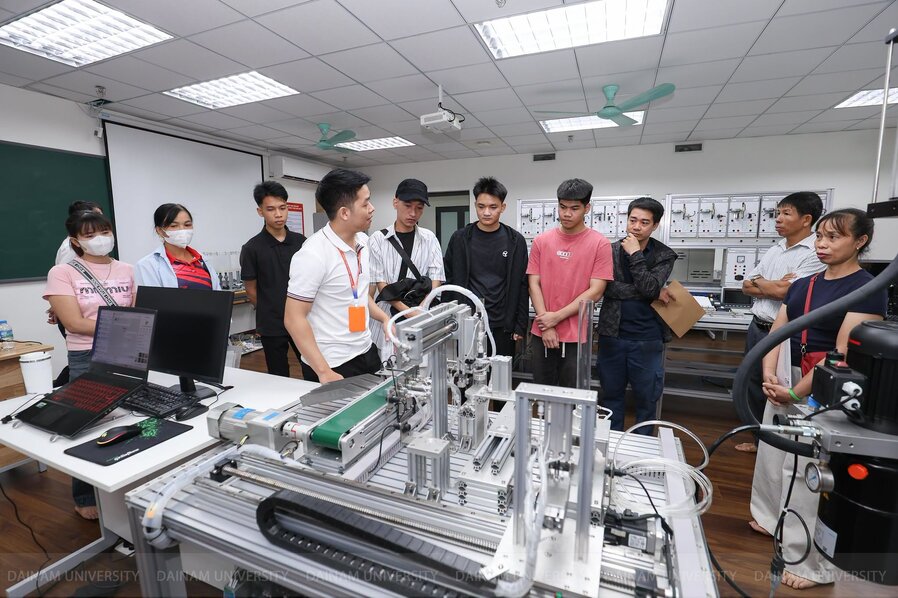
From the very first days of enrollment, students have the opportunity to familiarize themselves with the facilities, practice rooms, laboratories, and equipment used for training.
For first-year students, these initial experiences help to concretize the content of their major and the professional environment they may encounter later. From what they observe, students have a basis to ask questions: What jobs are associated with my major? What knowledge and skills are required for those jobs?
These questions provide a starting point for developing a study plan for the following years, covering areas such as specialization, foreign languages, technology, professional skills, and practical experience.
Integration Week: Getting an early start on the demands of the labor market.
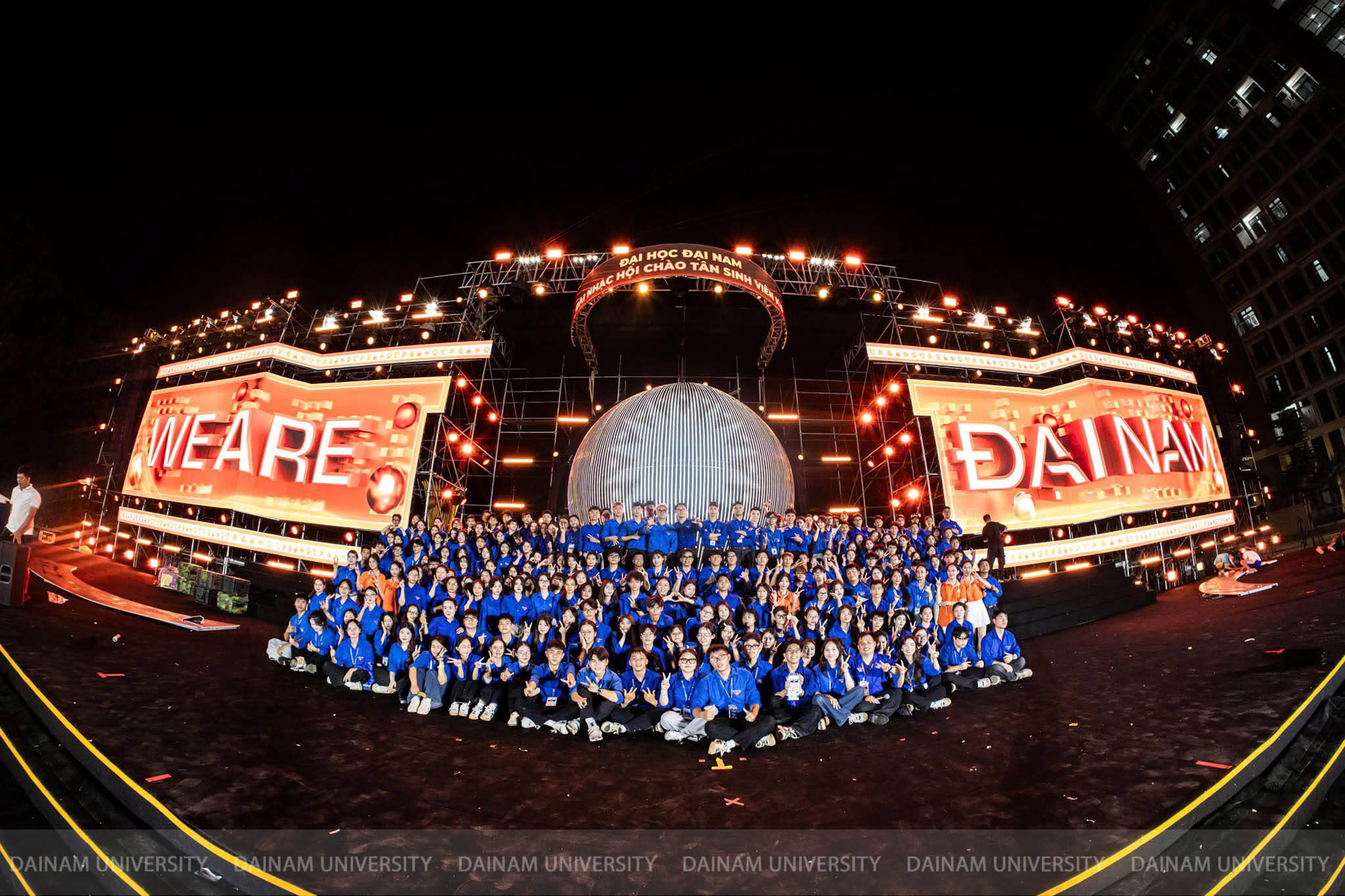
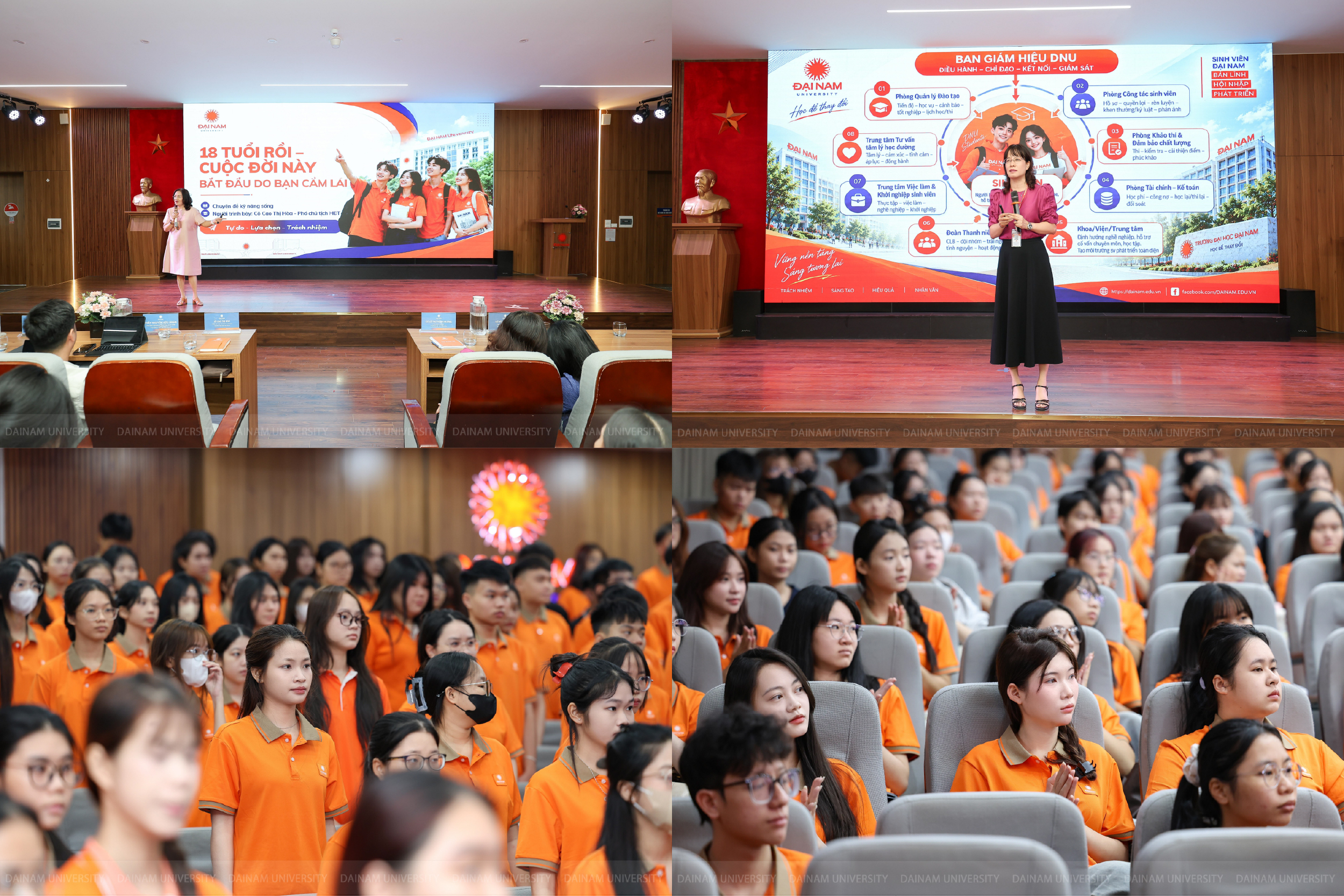
Career-related questions continue to be raised in orientation programs for new students, including Orientation Week.
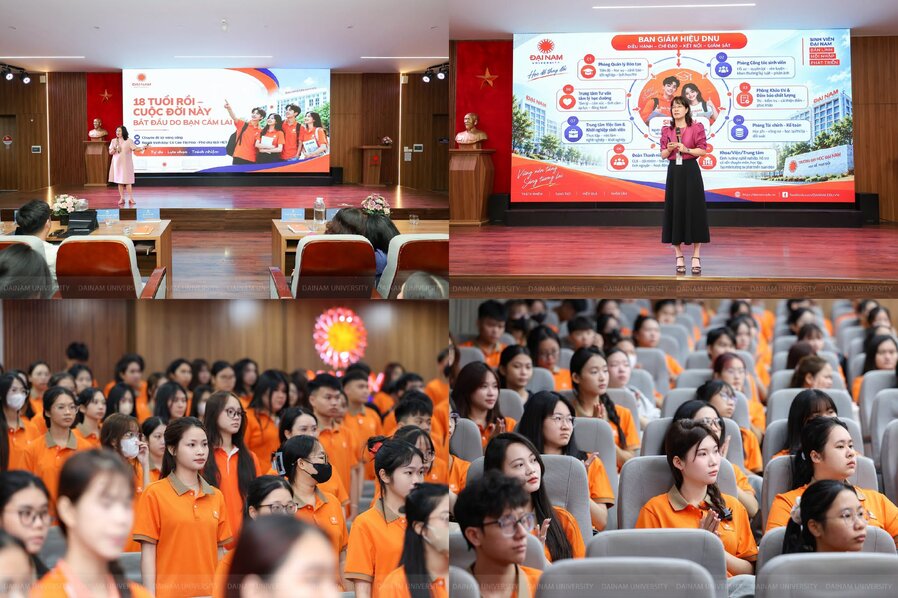
Here, students have the opportunity to meet experts, professionals, and business representatives to learn about real-world jobs, recruitment requirements, and changes in the labor market.
This information helps students compare their chosen field of study with the jobs they are interested in. Job requirements can vary across different fields. Some positions require foreign language skills and technological proficiency; others emphasize communication, teamwork, problem-solving, or a professional demeanor.
Addressing these requirements early on gives students more time to identify which competencies need to be prioritized in their studies.
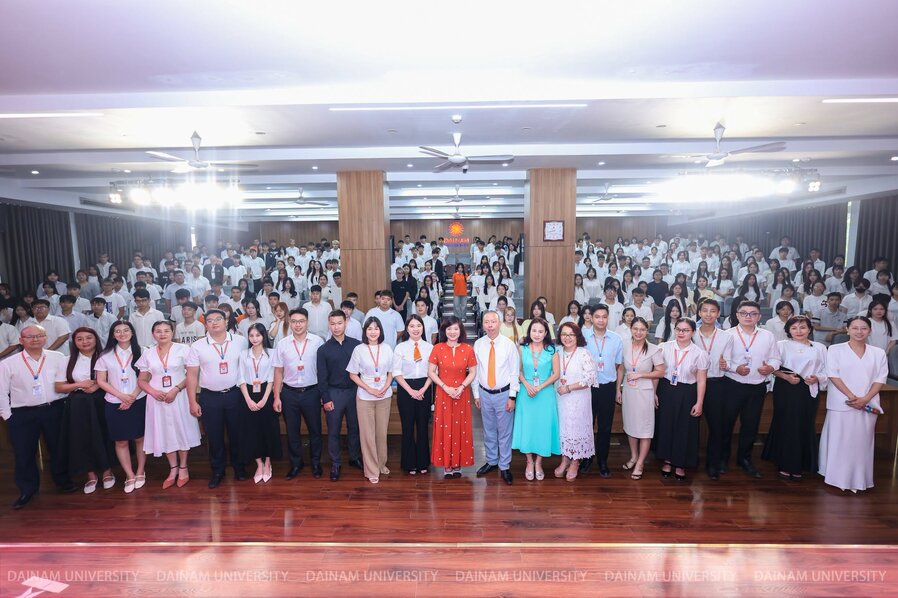
University years: learning knowledge combined with practical application.
After the initial period of familiarization with their field of study and career, students enter a process of accumulating knowledge and skills year after year.
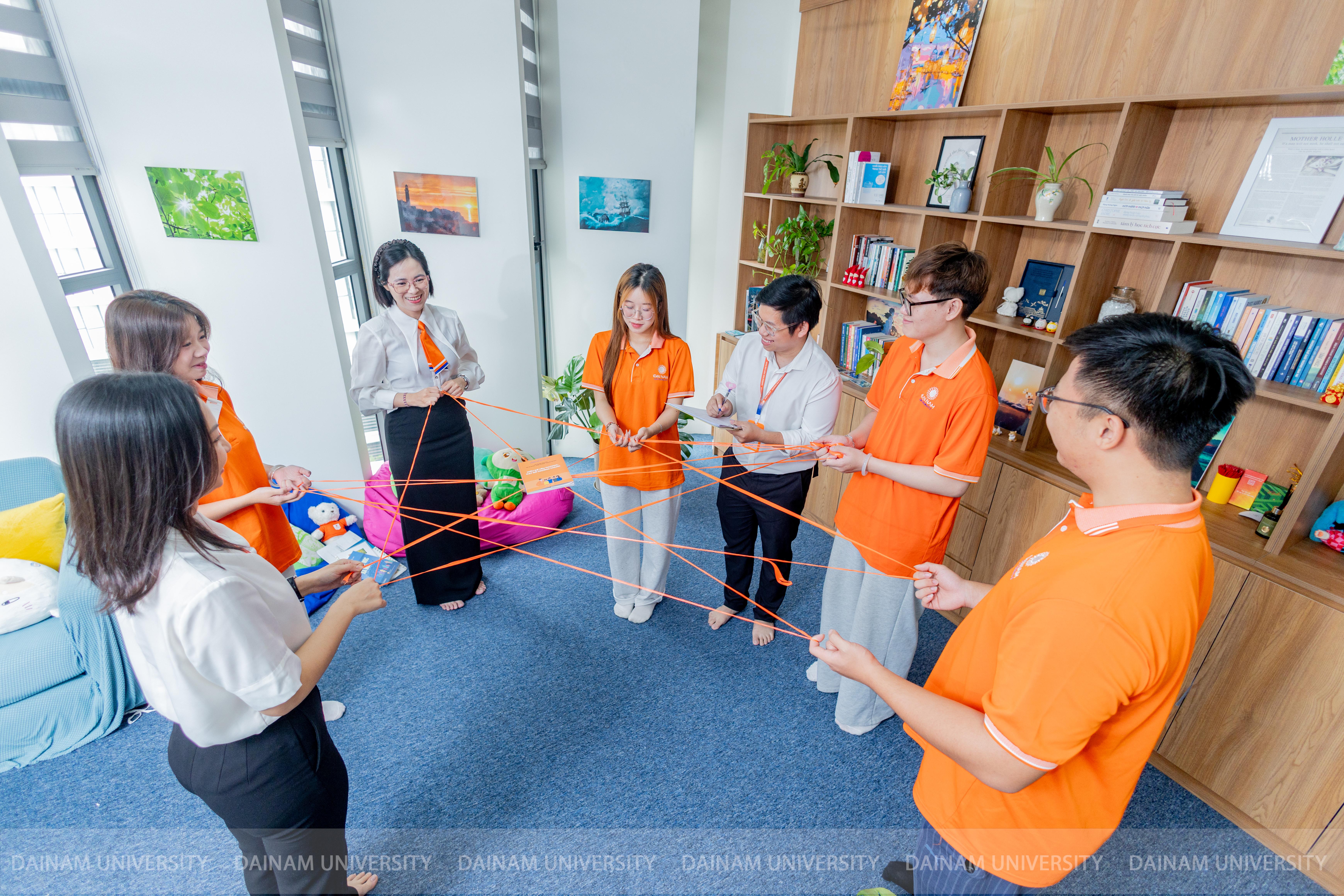
Specialized knowledge forms the foundation for professional expertise. Practical sessions, assignments, projects, and career scenarios provide opportunities for students to apply their knowledge to specific problems. Internships, visits, and experiences at businesses help students gain a better understanding of the work environment.
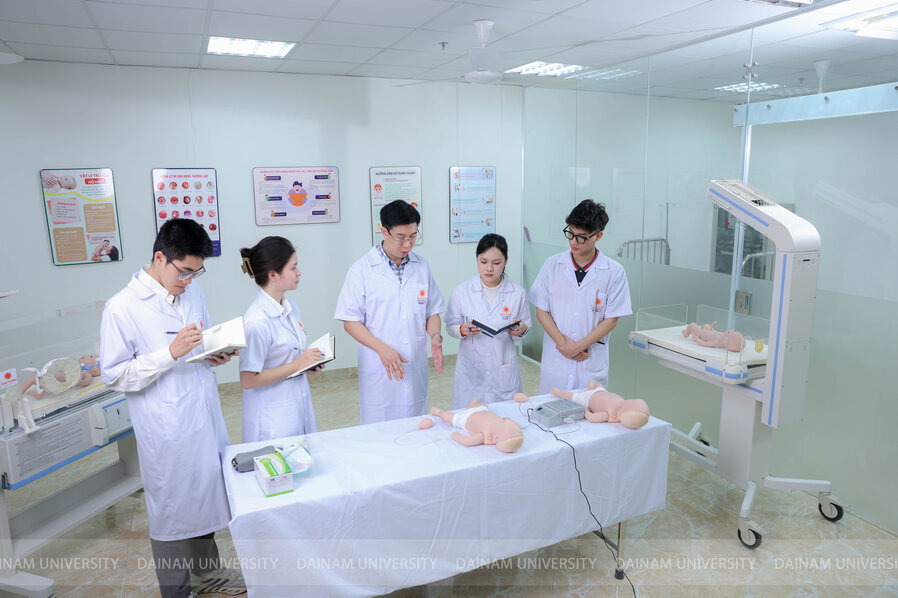
A notable aspect is that students have the opportunity to test their skills throughout the learning process. Through each assignment, project, or practical activity, they can identify areas where their knowledge is weak, skills they lack, or professional requirements they need to further develop.
Accordingly, the learning process is linked to the development of competencies that can be used in the workplace, rather than simply completing coursework.
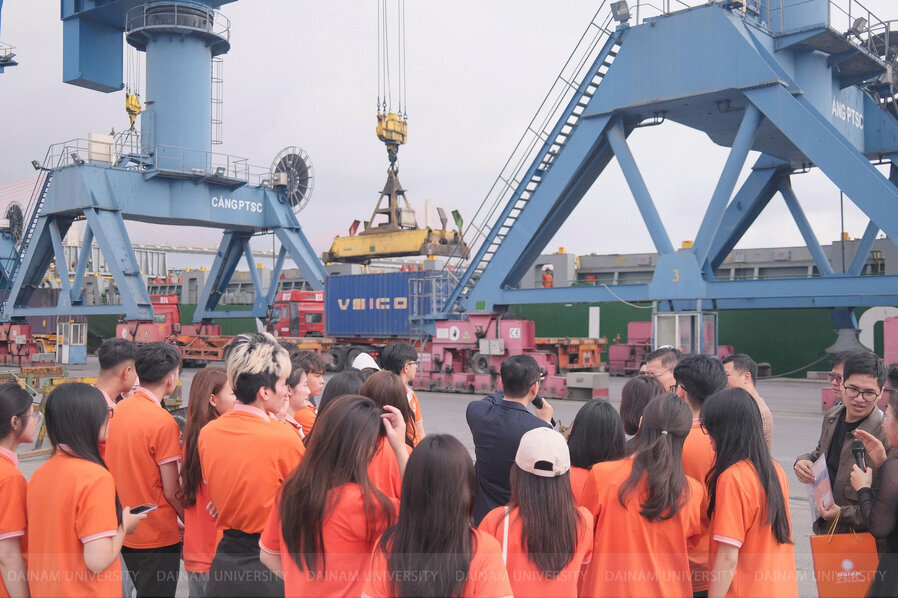
When businesses participate in the classroom.
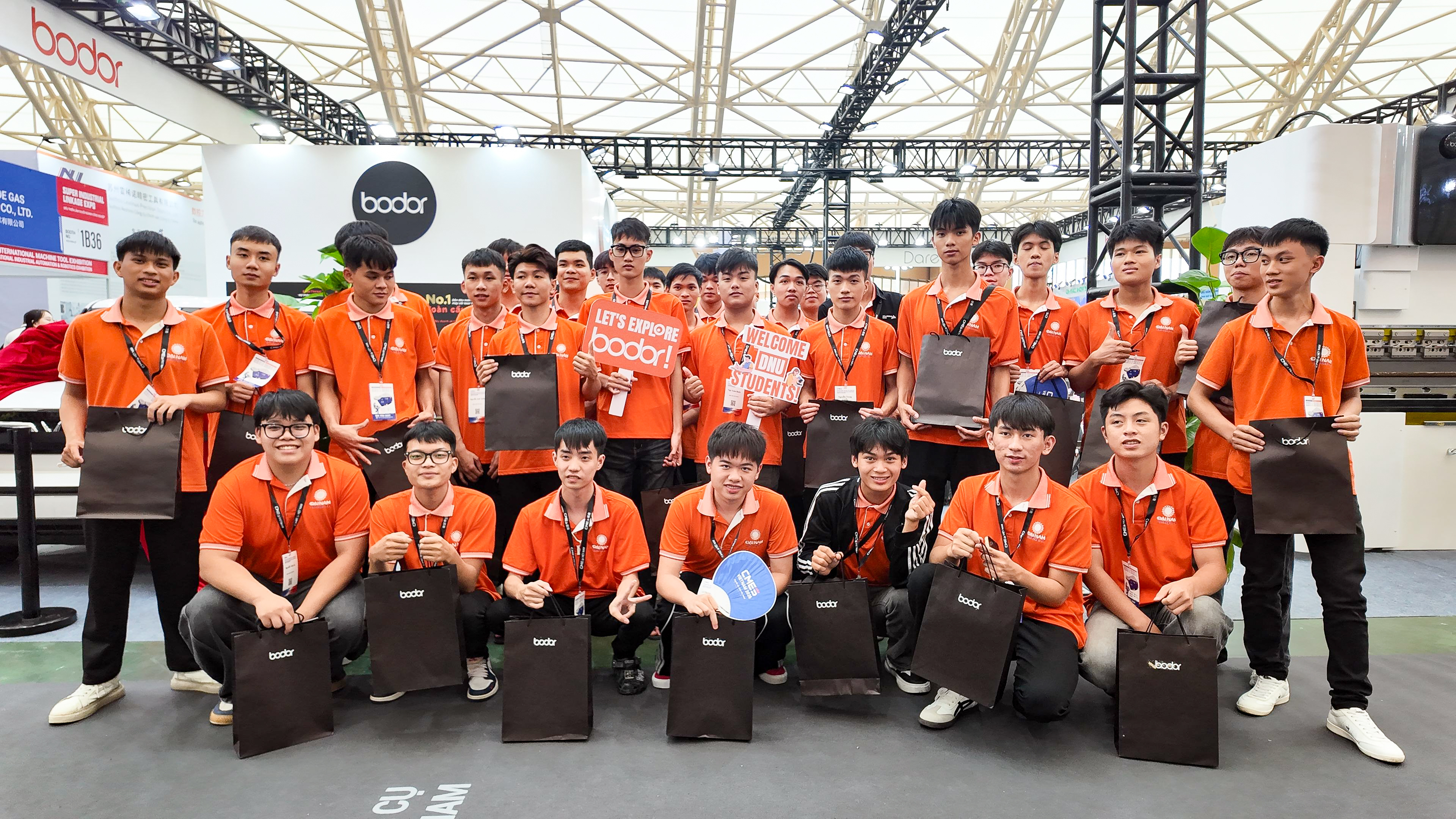
One of the ways Dai Nam University connects training with practice is by involving experts, managers, and people working in businesses in the students' learning process.
Experts can participate in modules, seminars, exchange activities, or provide practical guidance. This gives students more opportunities to learn how their knowledge is applied in the workplace and to stay updated on the requirements businesses place on new employees.
Associate Professor Dr. Dao Thi Thu Giang, Rector of Dai Nam University, emphasized: "Businesses are the bridge that helps Dai Nam students transform knowledge into skills, theory into action, thereby maturing and developing comprehensively during their studies."
From a student's perspective, the involvement of businesses creates an additional channel for comparing academic learning with real-world professional situations. Requirements regarding expertise, technology, skills, and work ethic can serve as a basis for students to adjust their preparation before internships and recruitment.
International learning: expanding experiential learning environments.
In addition to domestic training programs, students can participate in international study and experience programs.
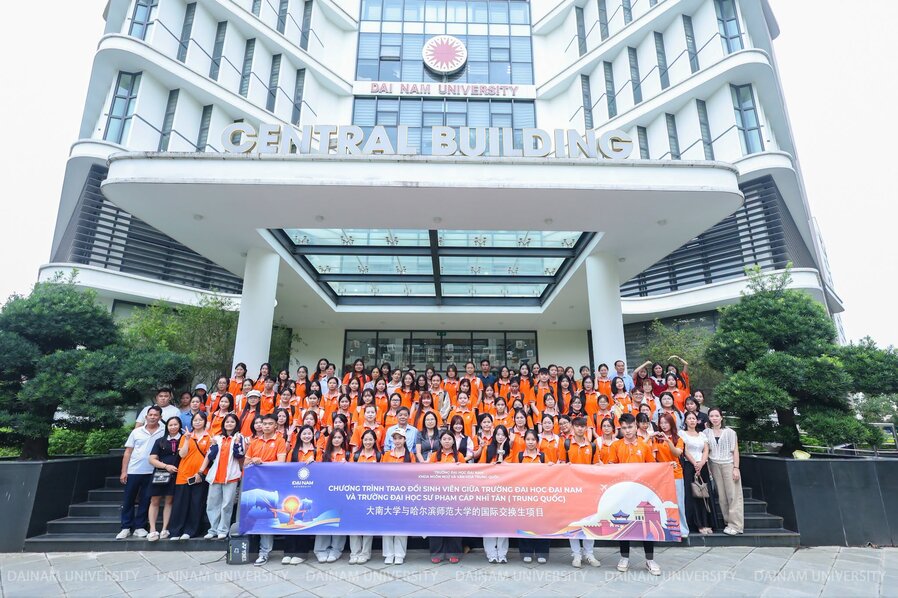
Studying abroad places different demands on students' language skills, learning methods, communication abilities, and adaptability. Students also have the opportunity to experience different learning and working styles and interact with learners from diverse cultural backgrounds.
These experiences provide an environment for students to hone their adaptability, especially in a context where many professional fields are increasingly connected to the international market.
Internship: testing what you've learned.
During their graduation internship, students move into a more rigorous testing phase. Their professional knowledge, skills, and work ethic are put into practice in a specific work environment; students also receive feedback from those directly involved in the profession.
For medical students at Dai Nam University, the 1:1 graduation internship model at top-tier hospitals is a prime example. Each student is directly mentored by a doctor during their internship, has the opportunity to participate in professional activities relevant to their training requirements, and receives feedback and evaluations throughout the practical training.
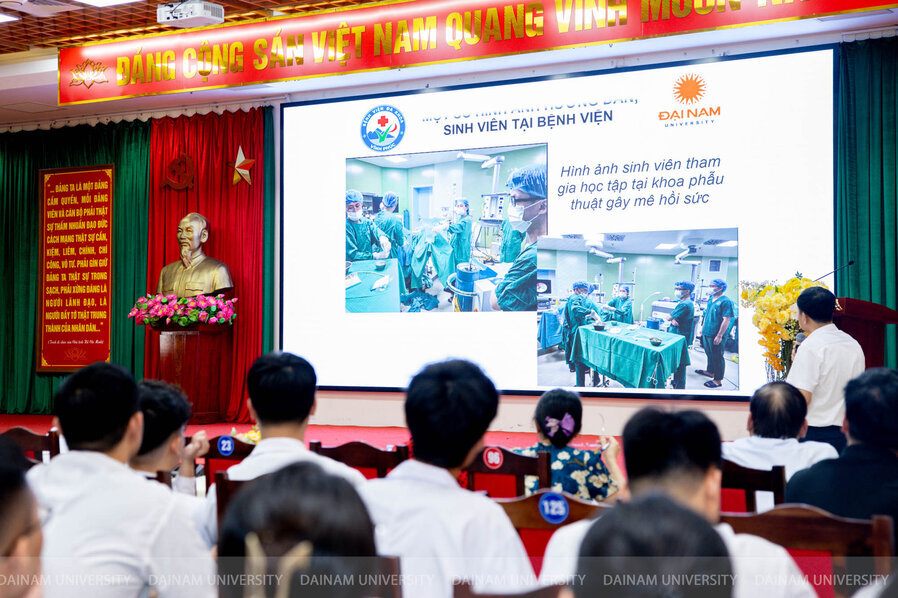
From the classroom to the hospital, students have the opportunity to compare their learned knowledge with clinical practice, while also honing their communication skills with patients, collaborating with colleagues, and developing professional conduct.
This is the stage where students can better see the gap between "knowing" and "being able to do," thereby identifying what needs further improvement before entering the workforce.
The ultimate goal is job performance.
From the beginning to the end of the course, the career preparation process is structured into several consecutive stages.
From their first day of enrollment, students become familiar with their field of study and the learning environment. During Orientation Week, they gain further information about career paths and the demands of the job market. The following years involve learning knowledge, practicing, undertaking projects, and gaining real-world experience. Experts and businesses provide additional perspectives from the job market. International programs broaden the learning environment and adaptability. By the time of their graduation internship, students have the opportunity to apply what they have learned in a specific professional environment.
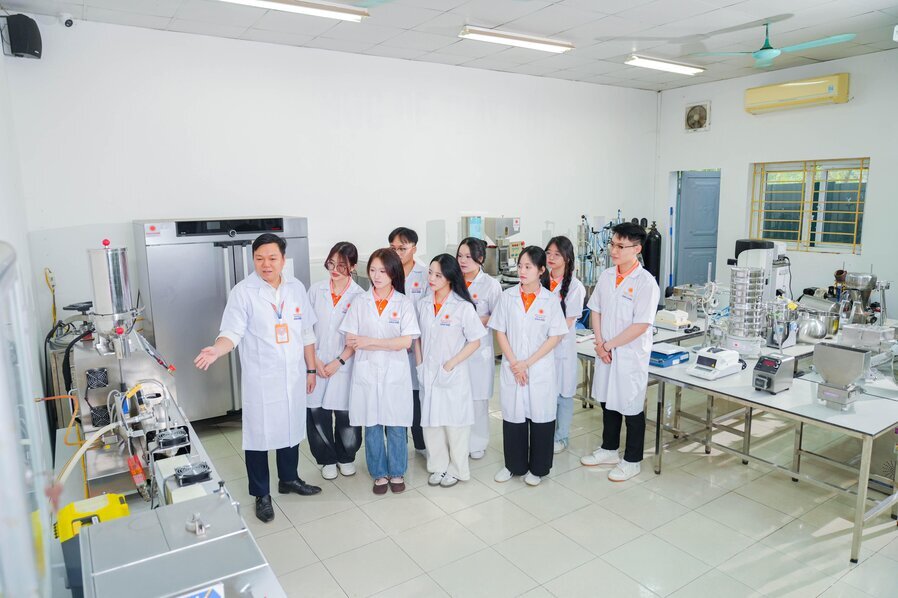
For students, the important question isn't just "What major should I study?", but also "What kind of jobs can I do after graduation, and what do I need to prepare to meet the requirements of those jobs?". When career questions are raised throughout the learning process, each year of university can become a step for students to acquire knowledge, skills, and experience before entering the job market.
BTT





Register for admission consultation 2026
scholarships and tuition support worth up to 55 billion VND

scholarships and tuition support worth up to 55 billion VND

