 English
 Tiếng Việt
Is it easy to find a job after graduating with a Pharmacy degree? A realistic perspective for prospective students in the context of the changing pharmaceutical industry.


Is it easy to find a job after graduating with a Pharmacy degree? This is a question many prospective students and parents ask when considering and choosing to study Pharmacy at the university level. In the context of increasing healthcare needs, Pharmacy remains one of the most stable fields of study. However, job opportunities don't come automatically if students aren't properly trained and adequately prepared with the necessary professional skills.
"Medicine comes first, Pharmacy second" – this familiar saying is not just a ranking of professions, but emphasizes that Pharmacy is a core healthcare profession in society. The pharmaceutical profession is linked to research, production, and quality assurance of medicines – factors that determine treatment effectiveness and patient safety.
Previously, working in pharmacies after graduating with a pharmacy degree was a common and legitimate career path. However, with the development of modern healthcare, pharmacy training has expanded significantly into areas such as clinical pharmacy, research and production, testing, management, and quality assurance of medicines. This makes pharmacy graduates more prestigious, more sustainable, and more capable of pursuing a long-term career, in line with the nature and mission of the pharmaceutical industry in public health care.
From that perspective, the question "Is it easy to find a job after graduating with a Pharmacy degree?" needs to be considered within a broader context: what are students being trained for, how many career paths are available, and how sustainable are those paths?
Current demand for pharmaceutical personnel: Stable but selective.
According to reports from the health sector, Vietnam is still lacking pharmacists with genuine professional competence, especially in the following areas:
- Clinical pharmacist at the hospital
- Pharmacists working at pharmacies that meet standards.
- Personnel in pharmaceutical manufacturing and distribution companies
- Positions in pharmaceutical testing, quality assurance, and management.
The expansion of the healthcare system, the development of pharmacy chains, pharmaceutical manufacturing plants, and domestic and international pharmaceutical businesses will help maintain stable demand for pharmaceutical personnel for many years to come.
However, the current job market does not lack people with pharmacy degrees; what it needs are pharmacists who are competent, knowledgeable in their profession, and able to adapt to an increasingly professional practice environment.
What jobs can you get after graduating with a degree in Pharmacy?
Pharmacy remains a popular career path for pharmacy students. Pharmacists in pharmacies play a crucial role in advising and guiding people on the safe, rational, and proper use of medications.
Alongside this, with the development of modern healthcare, the career opportunities for pharmacists have expanded significantly. Graduates in Pharmacy can take on many different positions:
- Clinical pharmacist at the hospital, involved in advising on medication use during treatment.
- Pharmacists work in pharmaceutical manufacturing plants.
- Personnel for testing and ensuring the quality of medicines (QA/QC).
- Pharmaceutical sales representatives, pharmaceutical market development personnel.
- Conducting scientific research and teaching when pursuing higher levels of education.
As can be seen, working in a pharmacy is an important career option, but it is no longer the only choice for university-level pharmacy students.
Is the pharmaceutical profession sustainable in the context of developing technology and AI?
The development of technology and artificial intelligence is supporting the pharmaceutical industry in many areas such as data management, traceability, research, and drug distribution. However, the core role of pharmacists remains irreplaceable.
A pharmacist is someone who:
- Assess the safety and appropriateness of drug use.
- Detecting drug interactions and potential treatment errors.
- Be responsible for professional standards and ethical conduct.
These factors require in-depth knowledge, practical experience, and human responsibility, which technology cannot fully provide. Therefore, in the long term, the pharmaceutical industry remains a stable and sustainable profession, especially for those who receive the right training.
What is the salary range for graduates with a Pharmacy degree?
A pharmacist's income depends on their job position, work environment, and professional skills.
- Newly graduated pharmacists: approximately 10–15 million VND/month.
- Pharmacists working in hospitals or pharmaceutical companies, in specialized positions: approximately 15–25 million VND/month.
- Management and specialist positions: income increases with experience and professional responsibility.
Income in the pharmaceutical industry is considered stable and tends to increase over time, making it suitable for those pursuing a long-term and serious career.
Why do some pharmacy graduates still struggle to find jobs?
The difficulty in finding a job after graduation doesn't stem from the pharmaceutical field itself, but mainly from:
- The training program is still too theoretical.
- Lack of practical training and hands-on experience.
- Students do not yet fully understand the career paths within the industry.
- A long-term career mindset has not yet been developed.
When students view the field of Pharmacy through only one lens, their career opportunities will be limited. Meanwhile, modern pharmacy training requires students to be able to adapt to a variety of different job positions within the healthcare system.
Where should I study Pharmacy to easily find a job after graduation?
To convincingly answer the question "Is it easy to find a job after graduating with a Pharmacy degree?", the key factor lies in the training environment and orientation.
An effective pharmacy training program needs:
- Connecting knowledge with practical professional experience.
- Increase practical training and internships.
- To help students understand their career development paths.
- Emphasize professional ethics and social responsibility.
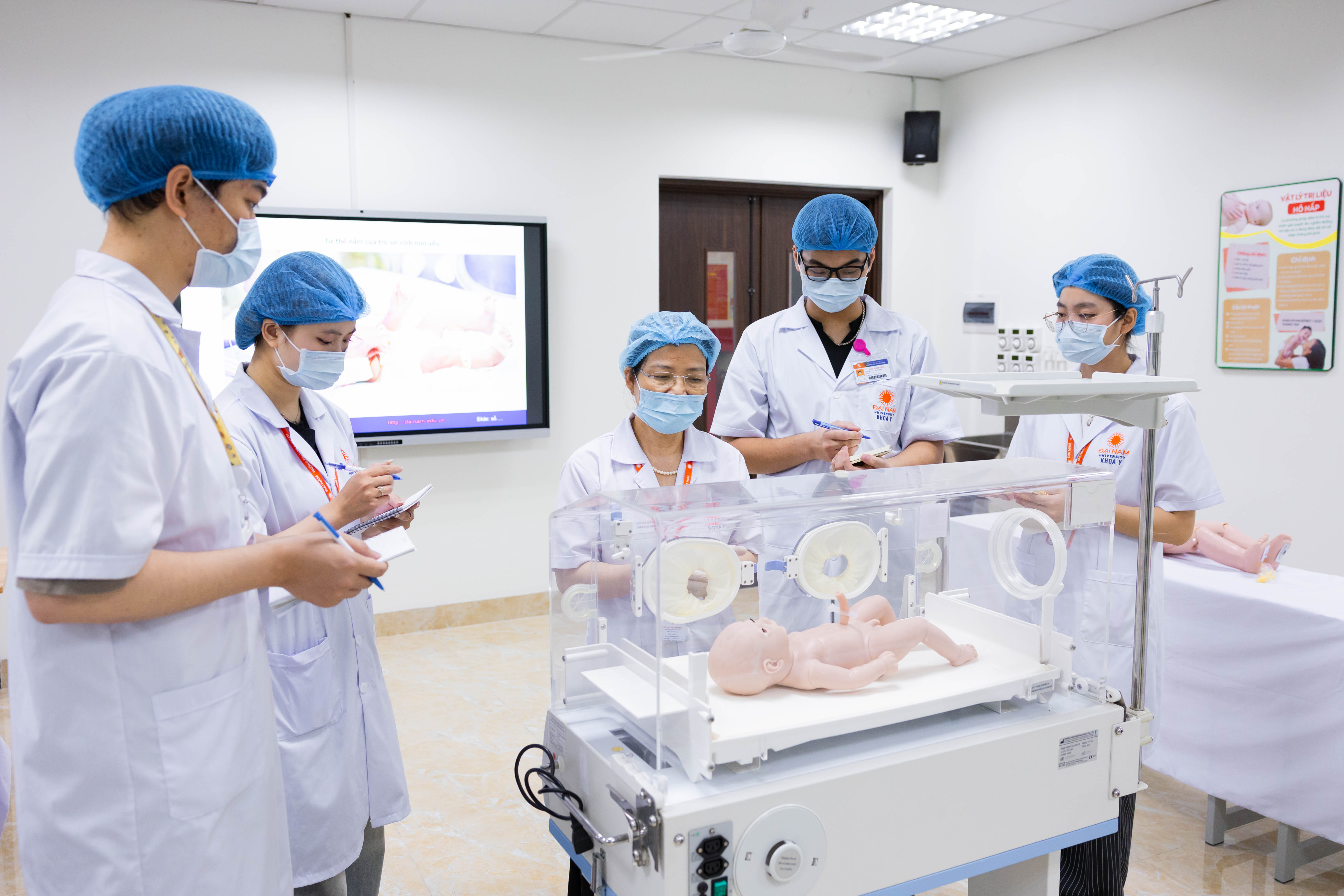
Following this direction, the Faculty of Pharmacy - Dai Nam University has developed a training program that focuses on professional competence. Students are exposed to the professional environment early on, honing their professional skills alongside theoretical knowledge, thereby enabling them to confidently take on various positions after graduation.
Pharmacy remains an important career path, but it is not the sole objective in the school's pharmacy training program.
Whether it's easy to find a job after graduating with a Pharmacy degree isn't a question with a single answer for everyone. In reality, the Pharmacy industry has a stable demand for personnel, but job opportunities and career development prospects largely depend on the quality of training, individual capabilities, and career orientation from the outset.
In the context of modern, in-depth medical development, studying Pharmacy is not just about selling medicine, but about researching, producing, and ensuring the safe and effective use of drugs for the community. With a training orientation that is closely linked to practice and expands career opportunities for students, the Pharmacy program at Dai Nam University is providing a clear, stable, and sustainable career path for candidates who choose to pursue this field.
BTT







Register for admission consultation 2026
scholarships and tuition support worth up to 55 billion VND

scholarships and tuition support worth up to 55 billion VND

