 English
 Tiếng Việt
His mother died of cancer, and the young boy chose to study medicine so he wouldn't feel helpless in the face of his loved one's pain.


Some people enter the medical profession out of passion. Others enter it because of a dream. But for Hoang Gia Khanh, a student in class YK 14-01, Faculty of Medicine, Dai Nam University (DNU), the medical profession began with… a painful experience.
Many years have passed since his mother died of liver cancer, but Khanh still vividly remembers the feeling of a young boy who could only stand and watch his dearest loved one pass away without being able to do anything. That feeling of helplessness stayed with him throughout his childhood and became the motivation for him to enter medical school.
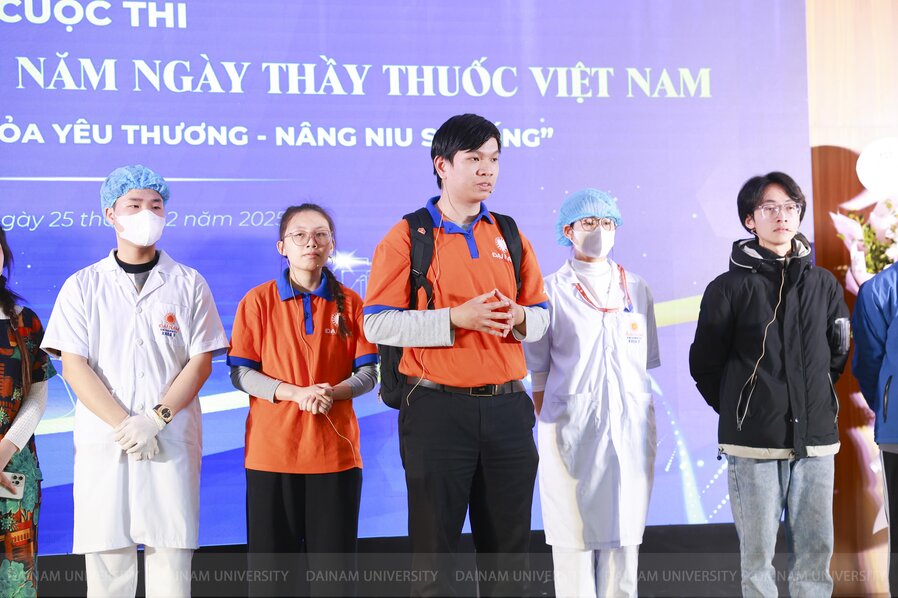
Hoang Gia Khanh is one of the outstanding students of the Faculty of Medicine at Dai Nam University.
From childhood trauma to the dream of wearing a medical coat.
When her mother was hospitalized, Khanh was too young to fully understand the illness. What she remembers are the long, desolate hospital corridors, the nights of waiting, the worried faces of the adults, and the conversations that children never hear.
“That day, I wasn’t thinking about a mission to save lives or anything grand. I simply thought that I wanted to understand diseases, to know why people get sick, and how to better protect my health. I didn’t want to stand by and watch my loved ones pass away while I felt completely helpless like before,” Khánh shared.
After a family tragedy, Khanh lived with relatives. Their financial situation was not affluent, while medicine is a long-term field of study with high pressure and demands considerable sacrifice.
However, what repeatedly confused Khanh wasn't the tuition fees or the long training period ahead, but the first day she stepped into the hospital.
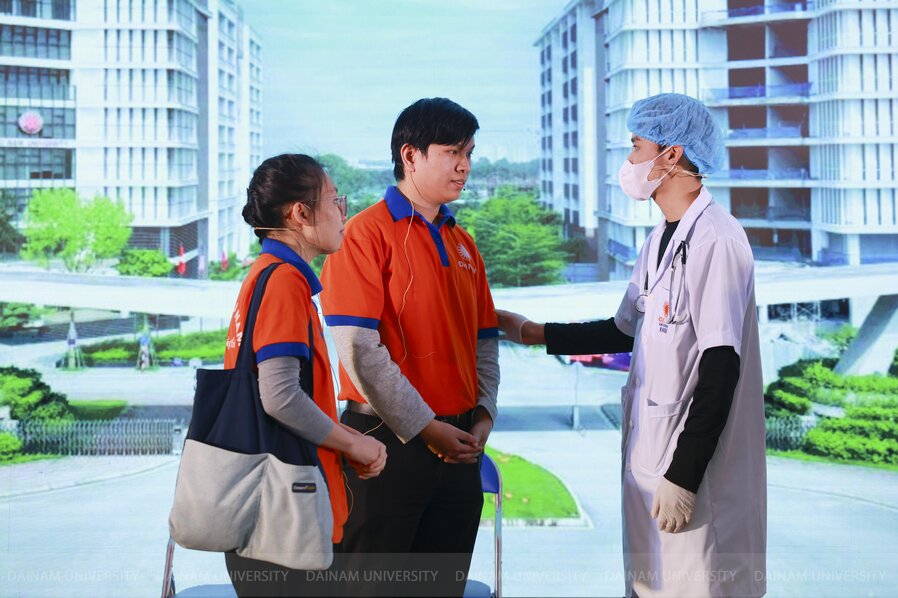
“Before going to clinical rotations, I was quite confident with what I had learned in the classroom. But when I stood in front of patients, accompanying doctors on ward rounds, I felt like an illiterate person. The knowledge I had memorized suddenly seemed so insignificant in the face of reality.”
That moment made Khanh realize a profound truth: Medicine is far broader than anything a medical student could have ever imagined.
"There were times when I was truly confused and wondered if I had taken the wrong path. Medical knowledge is like a vast ocean, and I am so small."
When the hospital becomes the biggest classroom.
But instead of giving up, Khanh chose to move closer to reality. Outside of school hours, she frequently stayed at the hospital, volunteering to work shifts with her seniors, following her teachers to observe and learn. Her days off were replaced by shifts. Appointments with friends gave way to time spent reading patient records, monitoring patients, and honing her clinical skills.
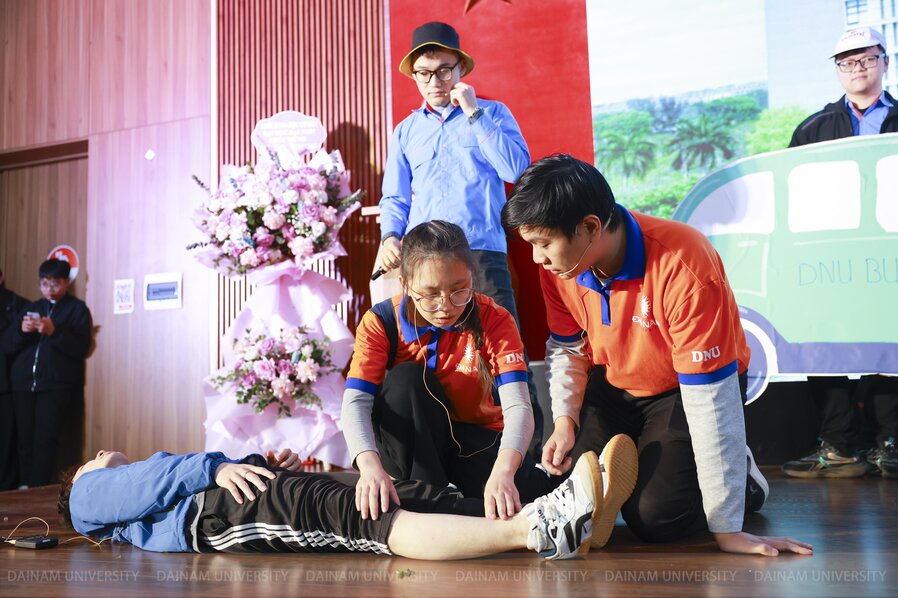
The more Khánh interacted with patients, the deeper his understanding of why he was there.
“During clinical rotations in the oncology department, seeing family members silently waiting in the hallway for test results, I saw a reflection of myself many years ago. Some patients reminded me of my mother. Some anxious eyes made me understand that behind every case is an entire family placing their hopes in the doctor. At that moment, I realized that the medical profession is not just about knowledge. It's also about empathy for the suffering of others,” Khánh confided.
Those days were also when Khanh clearly appreciated the value of the practical training environment that the Faculty of Medicine, Dai Nam University was building. Students were exposed to the clinical environment early on, and were closely supported by their teachers in every step of their professional development.
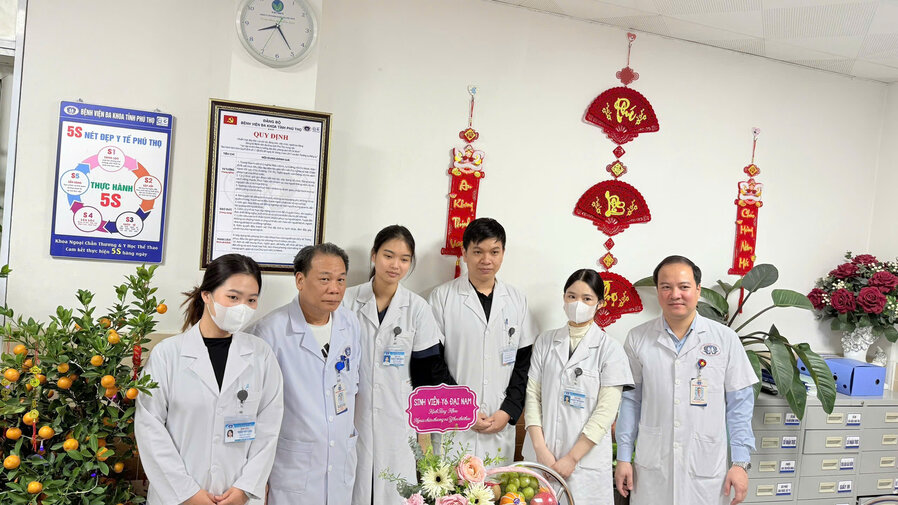
“The professors didn't just teach the knowledge from the textbook. They brought their experiences from the hospital and from real-life cases into each lecture. Many things I learned were not just knowledge, but also how to think, how to behave, and the responsibilities of a doctor.”
There's a saying from his teachers that Khanh always remembers: "If you don't know, then you must learn. Pick up a little bit each day, as long as today is better than yesterday, that's enough."
“I later realized that it wasn’t just encouragement for medical students. It was about how a doctor should live their profession. Medicine is a lifelong learning journey.”
A teaching that changed the way people viewed the medical profession.
Six years of medical school are six years of sacrifice. Holidays, gatherings with friends, and restful sleep gradually give way to on-call schedules, patient records, and cases that last until late at night.
But what changed Khanh the most didn't come from night shifts or stressful exams. It was a lesson from his teacher: "A good doctor not only saves patients' lives but also protects their quality of life."
That statement changed the way Khanh viewed the career he was pursuing.
“If I previously chose the medical field because I wanted to understand diseases and save lives, today I understand that saving a patient's life is not the ultimate goal. More importantly, it's about helping them continue to live healthy, high-quality lives with hope after leaving the hospital. I understand that doctors don't just treat illnesses. Doctors must also think about the patient's future after treatment. Every professional decision affects their lives afterward.”
The thing I'm most proud of is that I didn't give up.
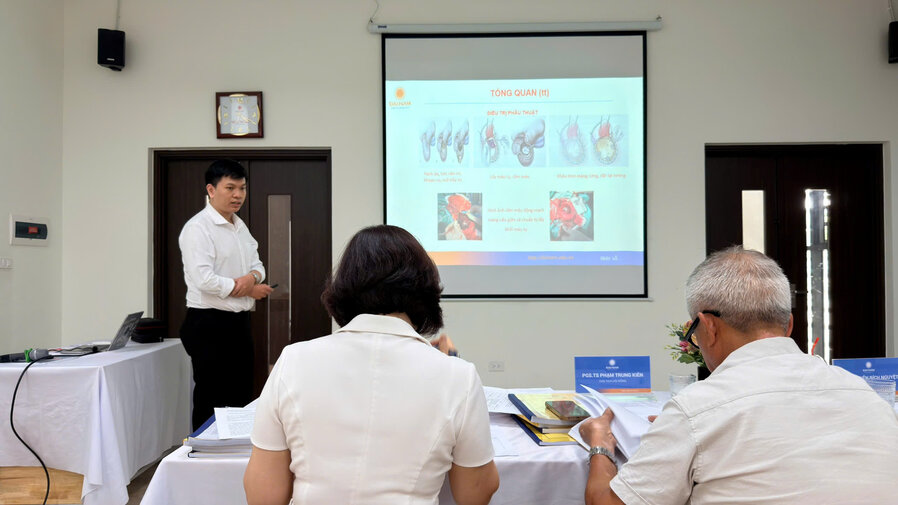
Not only did he mature through each shift and month-long stay at the hospital, but his perseverance was also recognized by his impressive academic achievements. Throughout his studies, Hoang Gia Khanh maintained excellent academic performance, received academic achievement scholarships from the university in many semesters, actively participated in student scientific research, and graduated with honors.
However, when asked about those achievements, Khanh simply sees them as the result of a persistent journey.
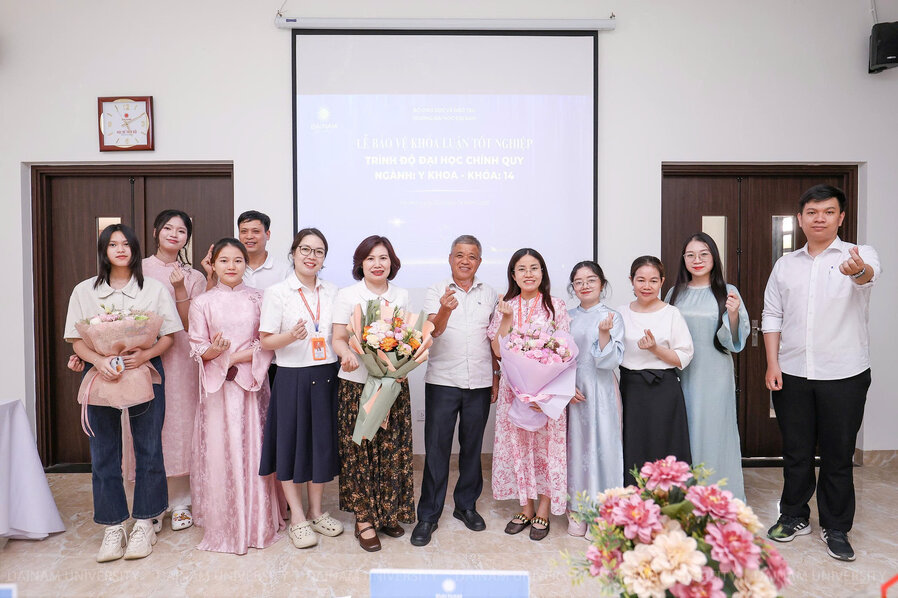
"I never thought of myself as exceptional. I just thought that if I tried a little harder today than yesterday, then after many years I would look back and see that I had come a very long way."
Looking back over the past six years, what Khánh is most proud of is not the scholarship, the achievements, or the excellent graduation certificate.
"I'm proud that I didn't give up."
From a boy who lost his mother to illness and was often overwhelmed by the vast amount of knowledge in the medical field, Khanh chose to stay, continue learning, and grow day by day.
When asked what kind of doctor she wanted to become in the future, she didn't mention fame or great achievements.
“I only aspire to be a kind and trustworthy doctor. I want patients to feel that the doctor in front of them has done their best, that they are as dedicated as if they were caring for a family member. I want to be remembered as a companion who never gives up.”
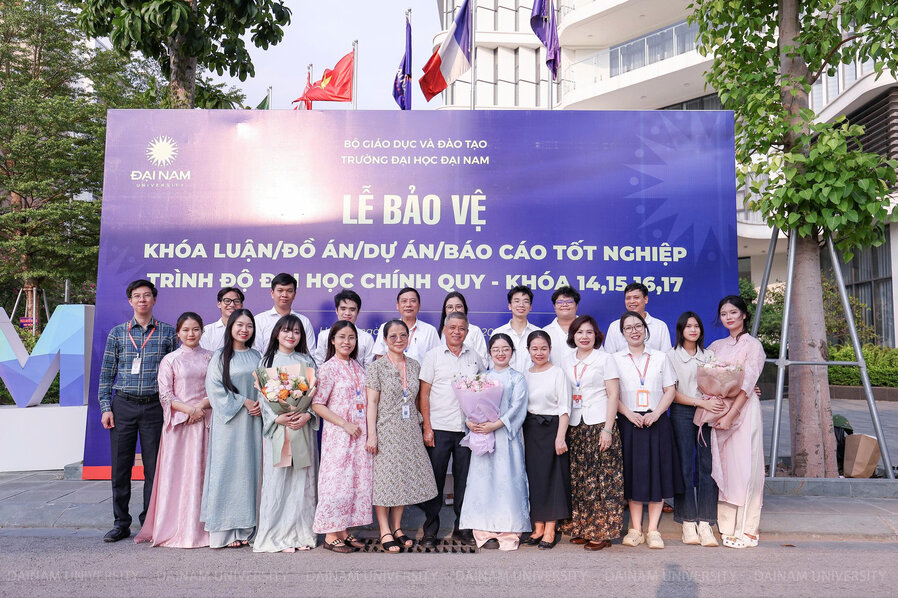
Six years ago, Khanh entered medical school because she didn't want to be helpless in the face of illness. Six years later, what she carries with her is not only medical knowledge but also empathy, responsibility, and the aspiration to become a compassionate doctor. Perhaps, that is also the greatest success of a medical student.
And this is also what the Faculty of Medicine, Dai Nam University, always strives for in its training journey: not only equipping future doctors with professional knowledge, but also nurturing medical ethics, professional responsibility, and a spirit of service to patients.
BTT
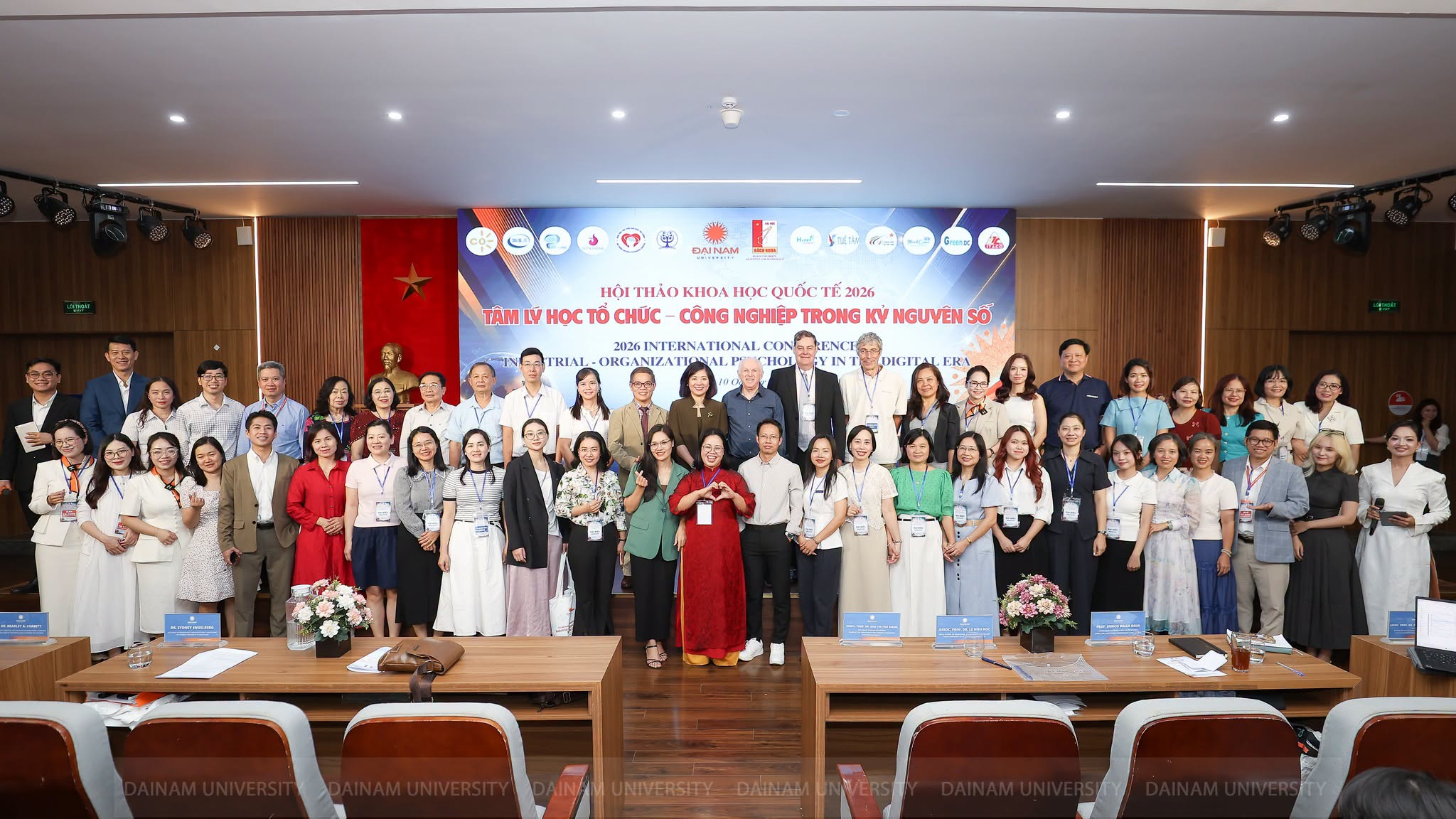








Register for admission consultation 2026
scholarships and tuition support worth up to 55 billion VND

scholarships and tuition support worth up to 55 billion VND

